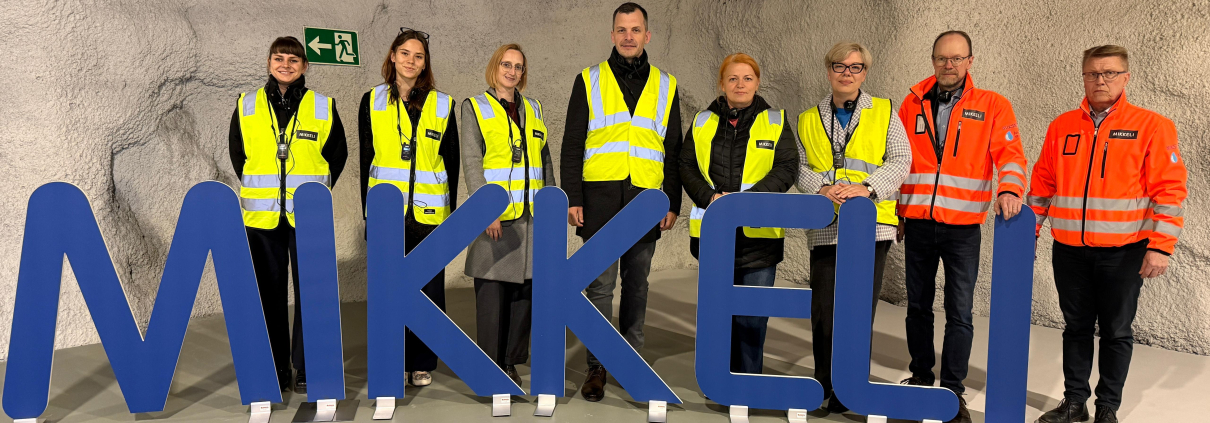
In early May, the CLEANTECH LATVIA team went on a study tour to Finnish eco-industrial parks to gain inspiration from a country where industrial symbiosis is not just a vision, but a functioning everyday reality. This visit allowed us to see how smart resource management combines with technology, policy and trust-based cooperation between companies, municipalities and the state level.

Strategic policy as a basis for long-term cooperation
The visit program was organized by SITRA – the Finnish Sustainability Innovation Fund, which has been leading the implementation of the national circular economy strategy for more than 10 years and coordinates cooperation between industrial parks across the country. With their support, a clear framework of action, regional clusters and financing instruments have been created that allow companies to move from idea to solution. This systemic approach is something that we in Latvia should adopt and adapt.
Industrial symbiosis is possible where there is a clear vision, real tools and a willingness to cooperate

Mikkeli – a place where water becomes the basis of circulation
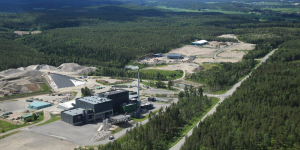
In the EcoSairila industrial park in Mikkeli, we saw how water treatment, biogas production and waste management are linked into a single resource circulation system. Here, the wastewater treatment plant built underground is both a technological base and a science and innovation platform, the side flows of which are converted into biomethane, fertilizer and energy. All this is designed with a long-term view – the infrastructure is planned for the next 50 years. The park is located only 1 km from the city center, and the energy and resources it generates are used for local needs, providing not only sustainability solutions, but also economic benefits for the city’s residents.

Salo – heat as a sustainable infrastructure
The Lounapuisto industrial park in Salo and the Lounavoima waste incineration plant provide ~90% of the city’s district heating. Moreover, geothermal heat storage systems, CO₂ capture and conversion into fuel, as well as nutrient recovery from sewage sludge are being developed. Heat here is not just for heating buildings – it is part of a local energy and material symbiosis.

The trip was implemented within the framework of the LIFE integrated project “Waste as a resource in Latvia – promoting regional sustainability and circularity” (LIFE20 IPE/LV/000014).
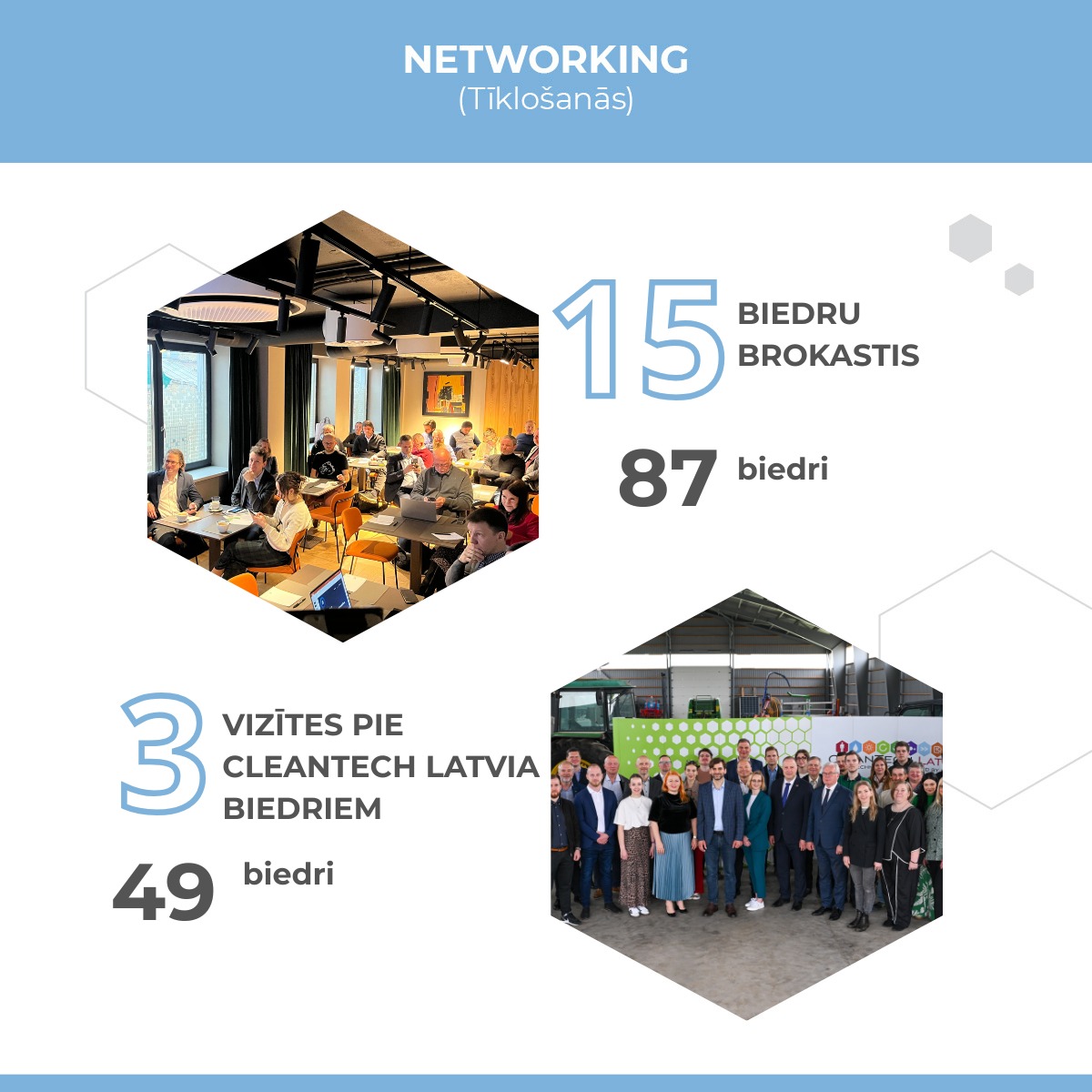
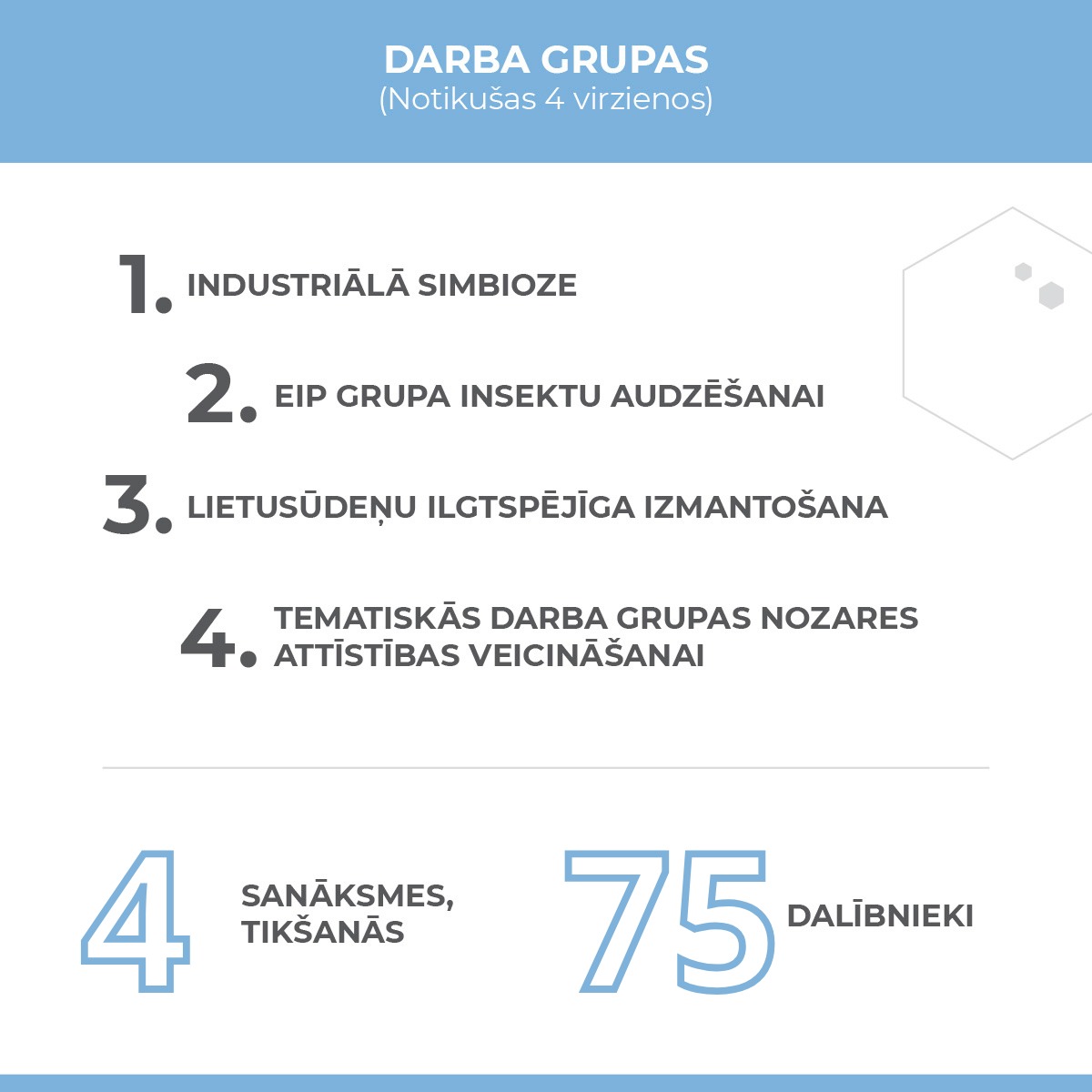
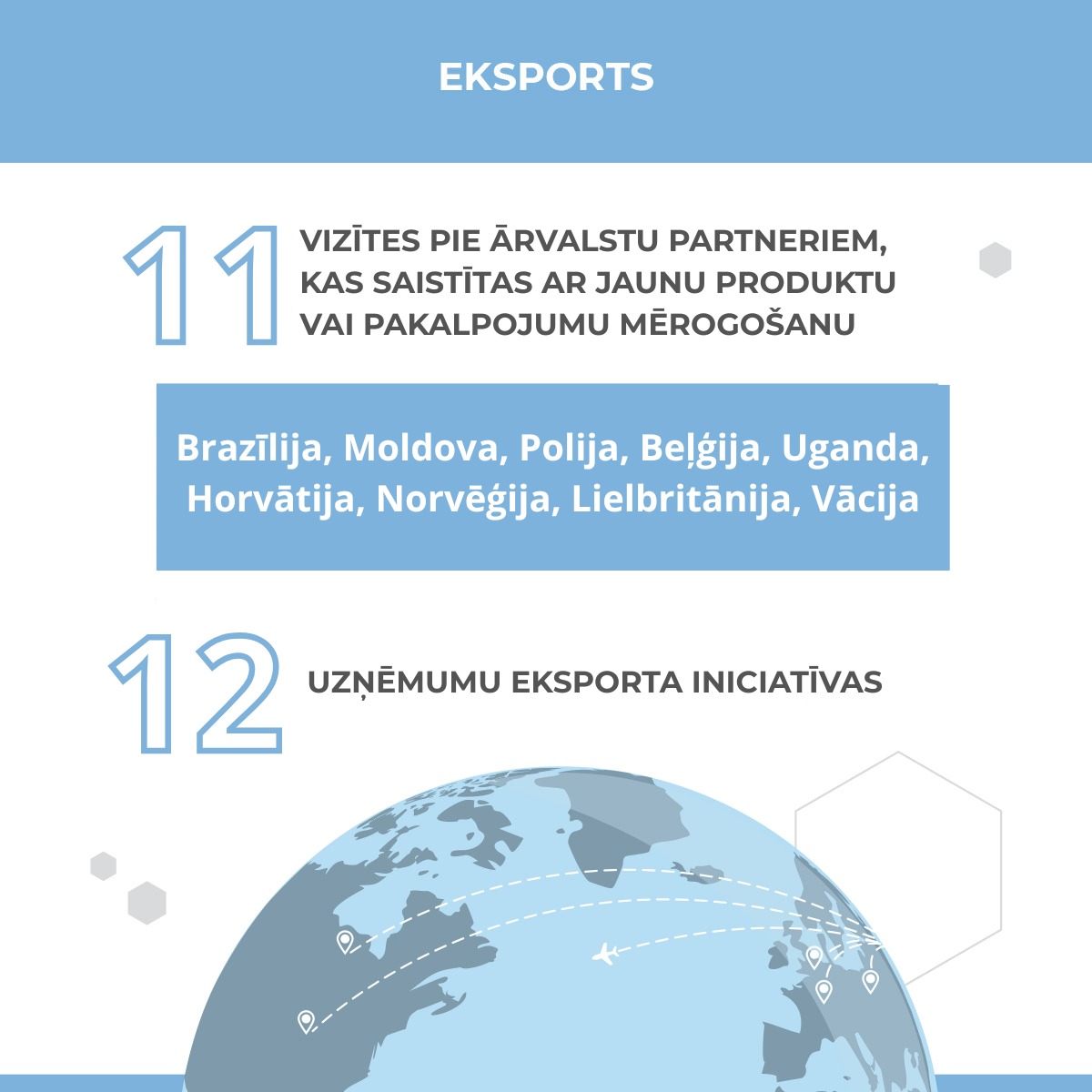
We invite you to take a look at the indicators achieved in the 5th and 6th quarters of the CLEANTECH LATVIA Cluster Growth 2024-2026 project.

This period can be described as quite active:
– Export visits to 9 countries;
– 15 networking events;
– 4 working group meetings.

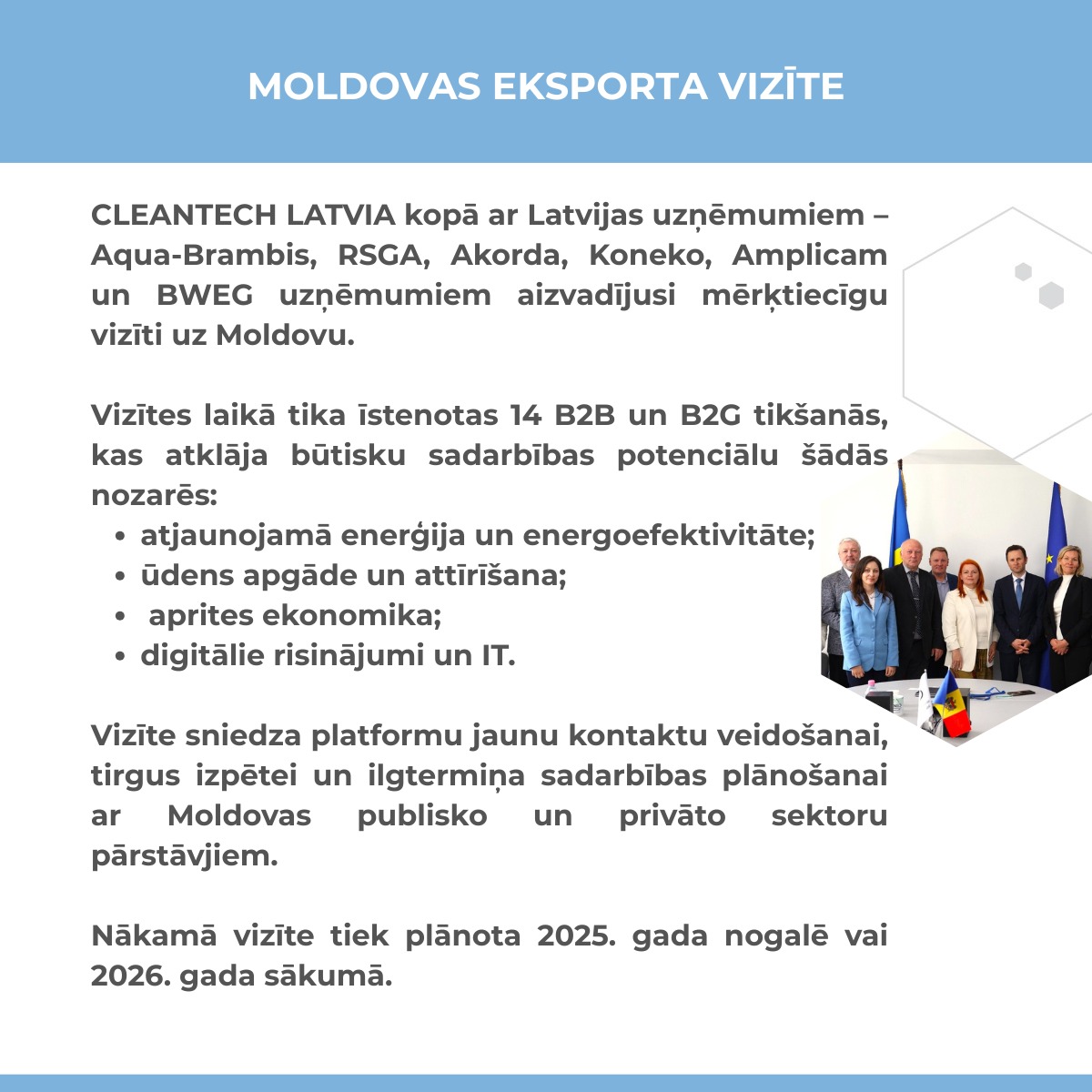
One of the most important activities in these quarters was the export mission to Moldova, which was attended by 6 CLEANTECH LATVIA members – Aqua-Brambis, RSGA, Akorda, Koneko, Amplicam and BWEG. The visit provided a platform for making new contacts, market research and planning long-term cooperation with representatives of the Moldovan public and private sectors. The next visit is planned for the end of 2025 or the beginning of 2026.

We are very pleased with the interest of the members and their participation in the planned activities of the project.

We will continue to inform you about the achievements of the next quarters until the end of the project.

The recording is co-financed by the Recovery Fund within the framework of project No. 5.1.1.2.i.0/3/24/A/CFLA/011 “CLEANTECH LATVIA cluster growth 2024-2026”.

Dairy by-products: a problem or an innovation potential?
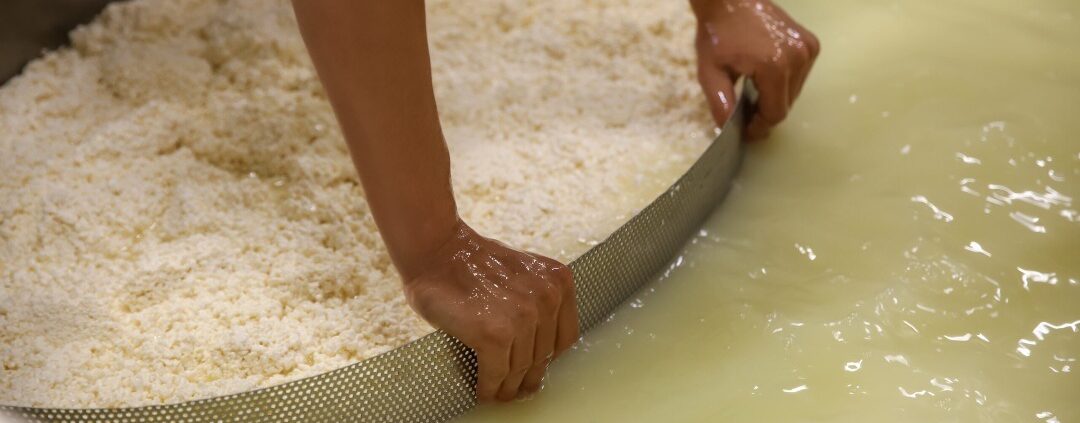
We invite you to apply for the second round of the SINERGIA industrial symbiosis accelerator, which focuses on two challenges from Valmieras piena and Smiltene piena – one of the largest dairy processing companies in Latvia.
This is a unique opportunity for teams and innovators who want to create technological, practical and sustainable solutions for real production residues.1. Challenge: Processing of fermented milk juices
Every year, Valmieras piena and Smiltene piena together produce more than 20,000 tons of fermented milk juices – a liquid by-product that occurs in the production of fermented dairy products (cottage cheese, Greek yogurt, etc.).

2. Challenge: Flotation sludge management
The treatment of dairy wastewater results in flotation sludge – a mass of organic origin with a high moisture content and complex chemical composition.

More information: https://ej.uz/akcelerācijasprogramma
Apply: https://ej.uz/akcelerācijapieteikties

How can a municipality become a driving force for industrial symbiosis?

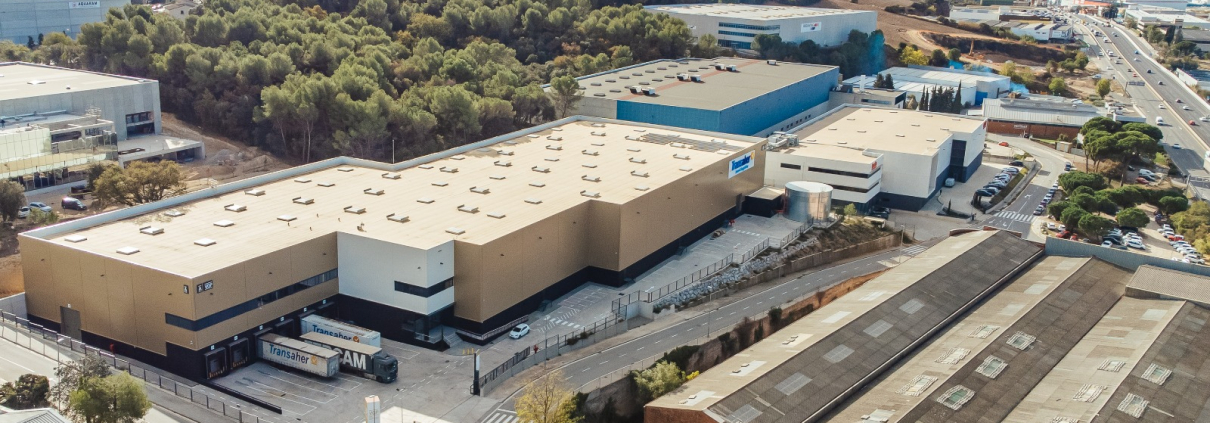
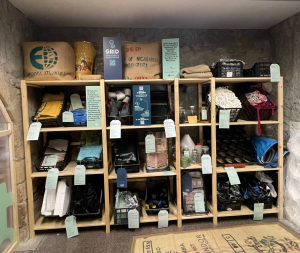
A study tour to Barcelona, a visit to GRID Granollers – a municipally-led initiative that puts industrial symbiosis into practice – helped us understand this question.
GRID Granollers emphasizes that municipalities have an advantage in implementing such initiatives: they know their companies, infrastructure, people’s needs and local problems. This knowledge allows them to purposefully promote cooperation between companies, facilitate the exchange of resources and bring the circular economy to life not only formally, but also in real life.
Their Mercat de Recursos (Resource Market) is a digital platform where companies can exchange surplus materials, thus reducing waste and at the same time reducing costs. In parallel, they operate the Coopera program, which also helps companies cooperate in waste management, energy efficiency and logistics.
GRID Granollers’ approach is based on building trust, sustainability and cost reduction – these are the key elements that help companies take a step closer to industrial symbiosis.
Their example proves to us that if a municipality is active, purposeful and in close contact with local businesses, it can be a real driver of change on the path to a circular economy.

Or could your municipality also take a step in this direction?
Consider adapting the GRID Granollers experience in your region – let’s share inspiration and practical examples!
– The experience exchange trip took place within the framework of the projects “Development of prerequisites for the implementation of industrial symbiosis and strengthening the competence of the LSG” (No. 1-08/95/2024) and “Waste as resources in Latvia – Promoting regional sustainability and circularity” (LIFE20 IPE/LV/000014).
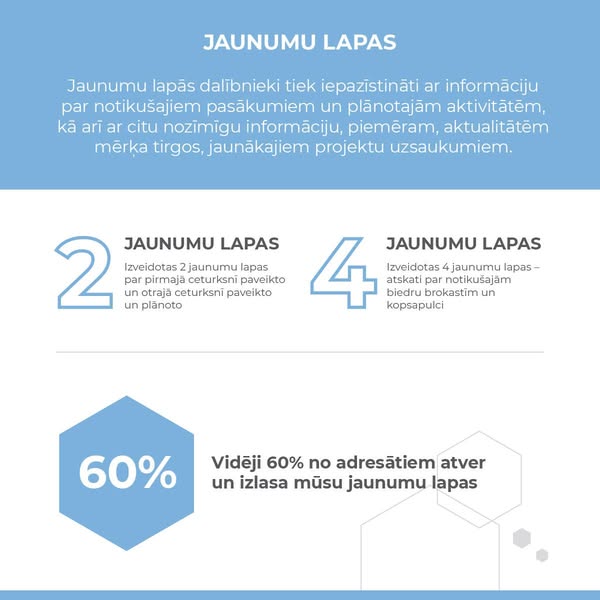
We invite you to take a look at the indicators achieved in the 3rd and 4th quarters of the project CLEANTECH LATVIA Cluster Growth 2024-2026.
This period can be described as quite active:
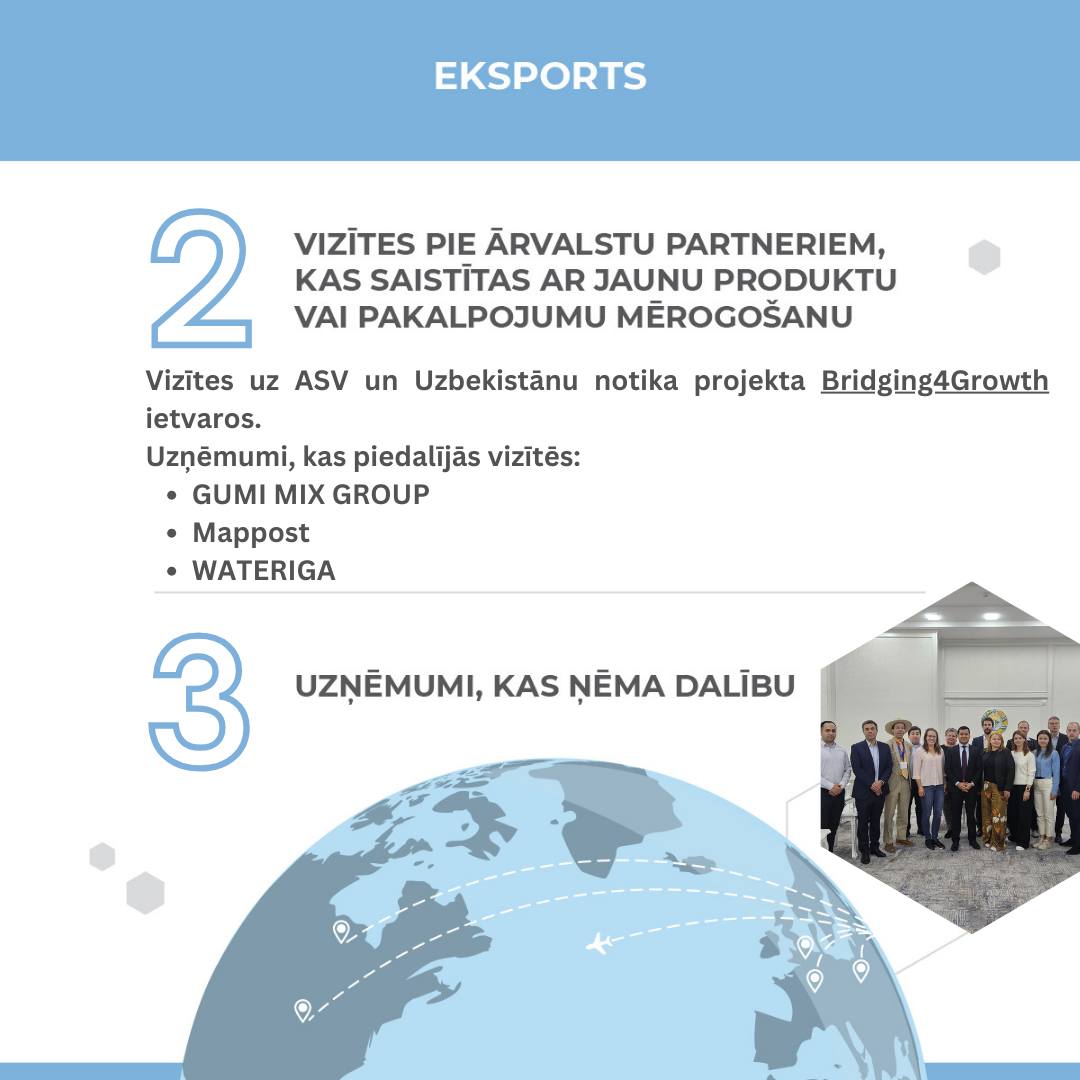
– 2 Export visits to foreign partners to promote the development of new products and cooperation;
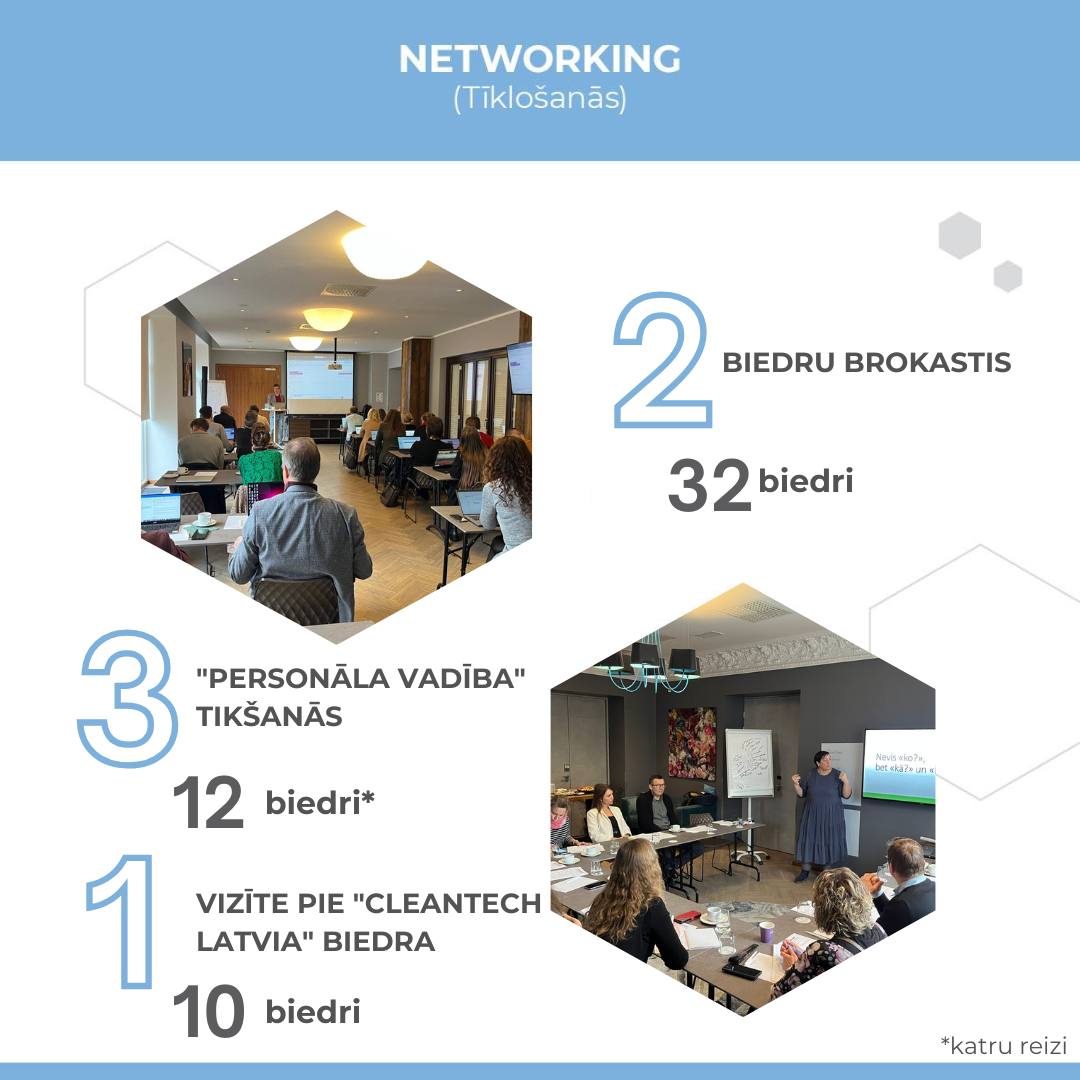
– 6 Networking events;
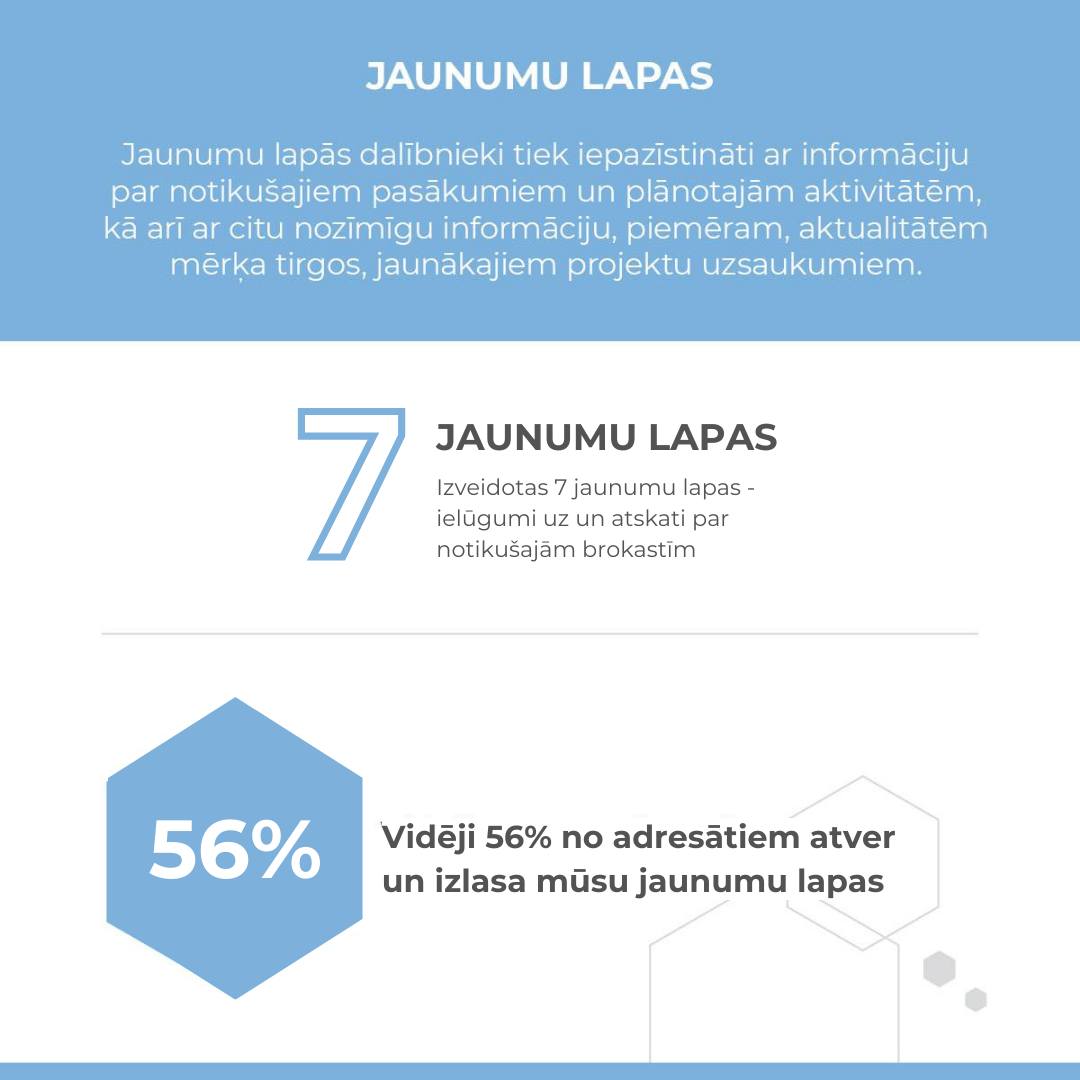
– Publishing and sending out newsletters about the current project in the context of the project.
We are very pleased with the interest and participation of our members in the planned activities of the project.
We will continue to inform you about the achievements of the next quarters until the end of the project.
The entry is co-financed by the Recovery Fund within the framework of project No. 5.1.1.2.i.0/3/24/A/CFLA/011 “CLEANTECH LATVIA Cluster Growth 2024-2026”.

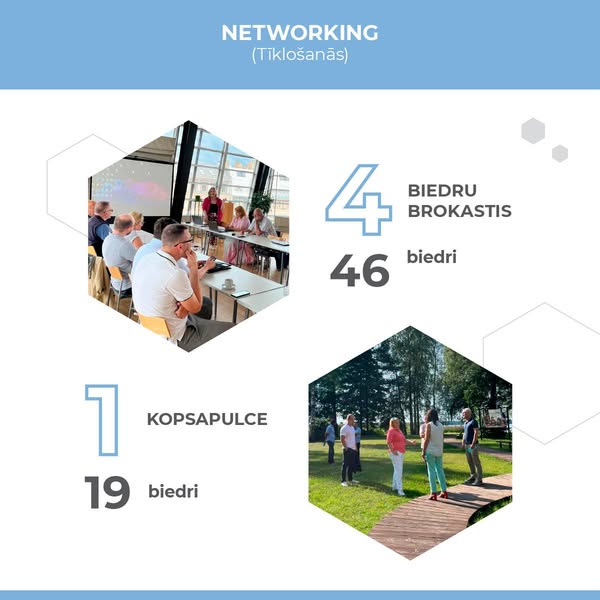
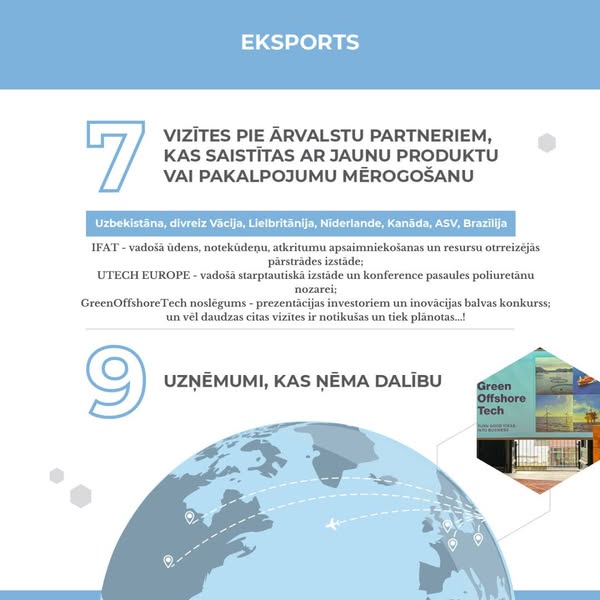
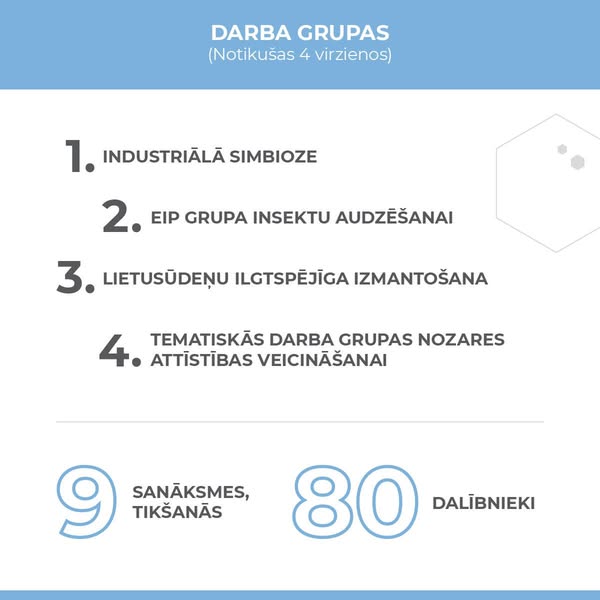
We invite you to take a look at the indicators achieved in the 1st and 2nd quarters of the project CLEANTECH LATVIA Cluster Growth 2024-2026.
This period can be described as quite active:
-Active involvement in working groups in 4 directions;
-7 Export visits to foreign partners to promote the development of new products;
-4 Member breakfasts;
-Publishing and sending out newsletters about the current project in the context.
We are very pleased with the interest of our members and active participation in the planned activities of the project. We will continue to inform you about the achievements of the next quarters until the end of the project.
The entry is co-financed by the Recovery Fund within the framework of project No. 5.1.1.2.i.0/3/24/A/CFLA/011 “CLEANTECH LATVIA Cluster Growth 2024-2026”.