
Waste, heat, water – Finland’s collaborative path to industrial symbiosis
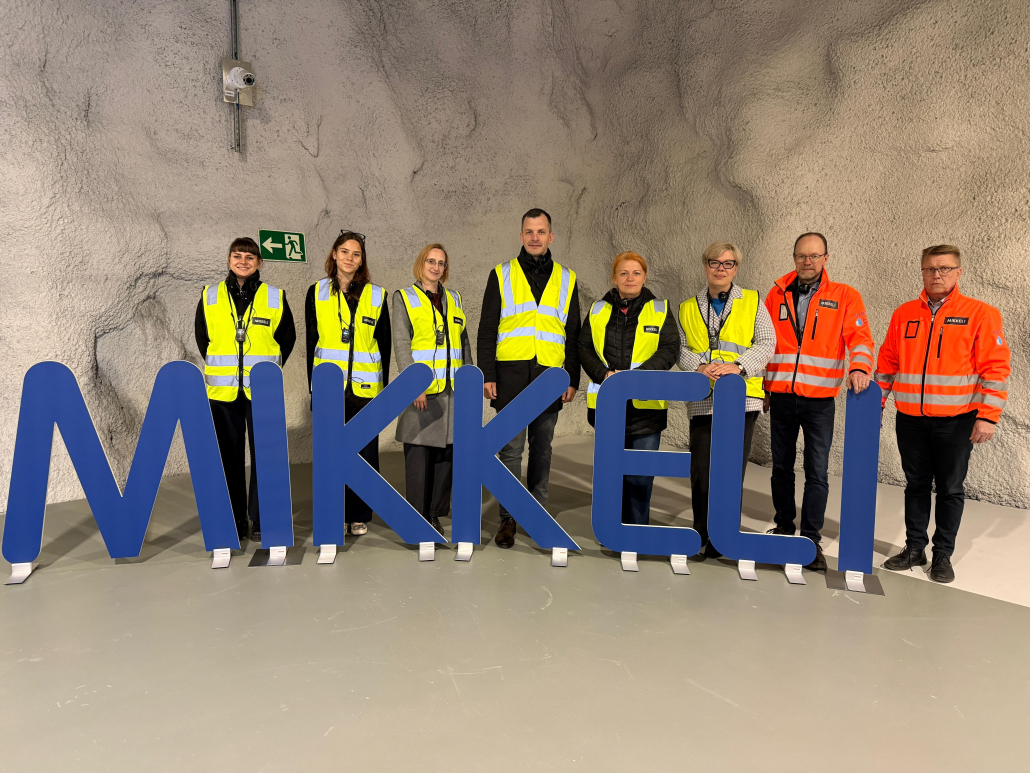
In early May, the CLEANTECH LATVIA team went on a study tour to Finnish eco-industrial parks to gain inspiration from a country where industrial symbiosis is not just a vision, but a functioning everyday reality. This visit allowed us to see how smart resource management combines with technology, policy and trust-based cooperation between companies, municipalities and the state level.
Strategic policy as a basis for long-term cooperation
The visit program was organized by SITRA – the Finnish Sustainability Innovation Fund, which has been leading the implementation of the national circular economy strategy for more than 10 years and coordinates cooperation between industrial parks across the country. With their support, a clear framework of action, regional clusters and financing instruments have been created that allow companies to move from idea to solution. This systemic approach is something that we in Latvia should adopt and adapt.
Industrial symbiosis is possible where there is a clear vision, real tools and a willingness to cooperate
Mikkeli – a place where water becomes the basis of circulation
In the EcoSairila industrial park in Mikkeli, we saw how water treatment, biogas production and waste management are linked into a single resource circulation system. Here, the wastewater treatment plant built underground is both a technological base and a science and innovation platform, the side flows of which are converted into biomethane, fertilizer and energy. All this is designed with a long-term view – the infrastructure is planned for the next 50 years. The park is located only 1 km from the city center, and the energy and resources it generates are used for local needs, providing not only sustainability solutions, but also economic benefits for the city’s residents.
Salo – heat as a sustainable infrastructure
The Lounapuisto industrial park in Salo and the Lounavoima waste incineration plant provide ~90% of the city’s district heating. Moreover, geothermal heat storage systems, CO₂ capture and conversion into fuel, as well as nutrient recovery from sewage sludge are being developed. Heat here is not just for heating buildings – it is part of a local energy and material symbiosis.
The trip was implemented within the framework of the LIFE integrated project “Waste as a resource in Latvia – promoting regional sustainability and circularity” (LIFE20 IPE/LV/000014).

Leave a Reply
Want to join the discussion?Feel free to contribute!