News for exporters!
In June of this year, we have launched a new international project.
Leap4Growth aims to support small and medium-sized enterprises from Latvia, Estonia, Sweden and Finland to successfully expand into Southeast Asian markets.
The project will pay special attention to the Greater Bay Area (GBA), using Hong Kong and Vietnam as strategic gateways for market development. The region offers high growth potential and growing demand for innovation – in green technology (Greentech), health technology (Healthtech), digital transformation, cybersecurity and artificial intelligence and other technology-intensive sectors.
Within the framework of the Leap4Growth project, at least 100 companies will receive strategic support and at least 20 companies will reach their first deals in the Greater Bay Area.
Follow https://www.linkedin.com/company/bridging4growth/ to stay informed about project news and how to apply.


Project “Leap4Growth” is supported as part of the an Interreg Central Baltic Programme 2021-2027 and is co-funded by the European Union.

We invite you to take a look at the indicators achieved in the 5th and 6th quarters of the CLEANTECH LATVIA Cluster Growth 2024-2026 project.

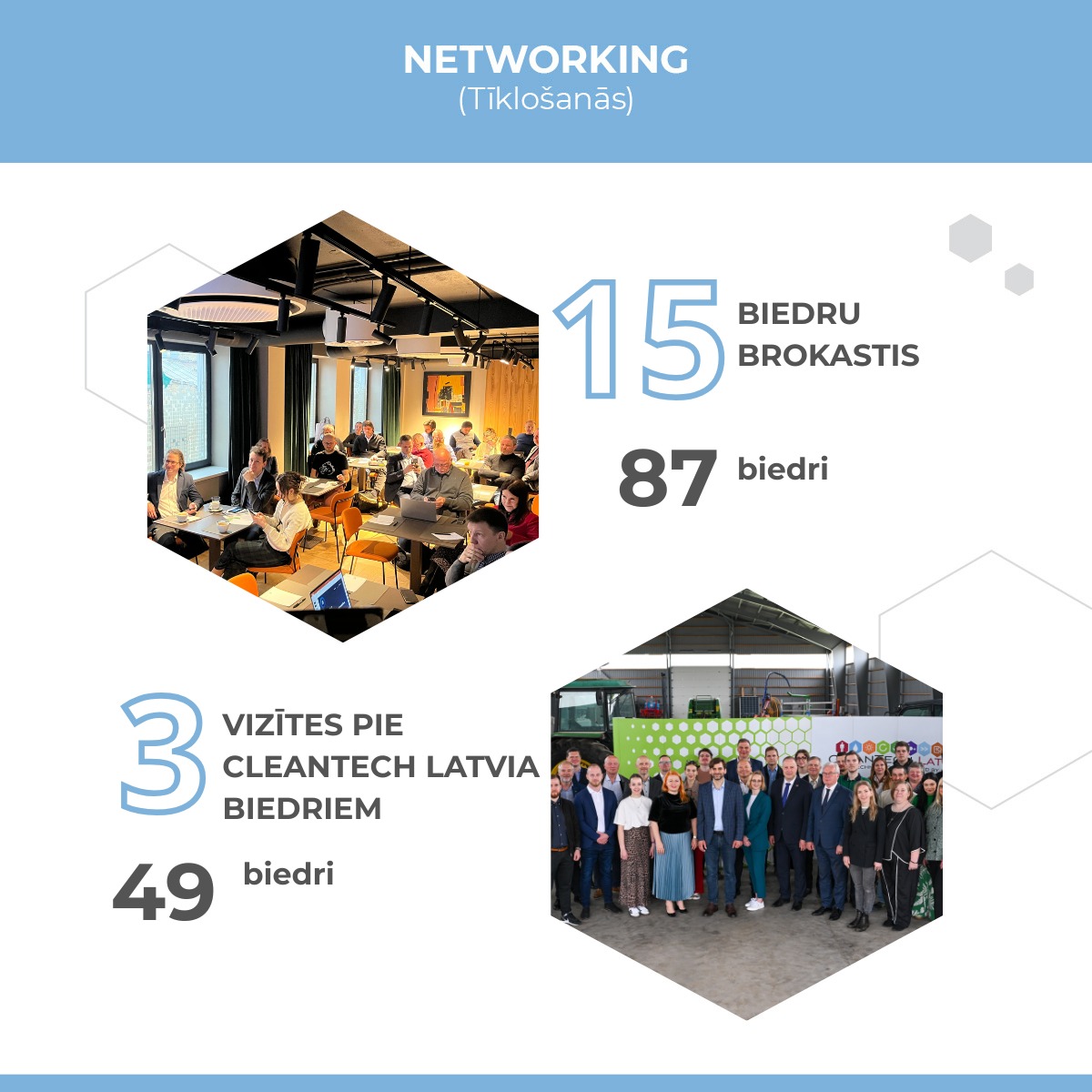
This period can be described as quite active:
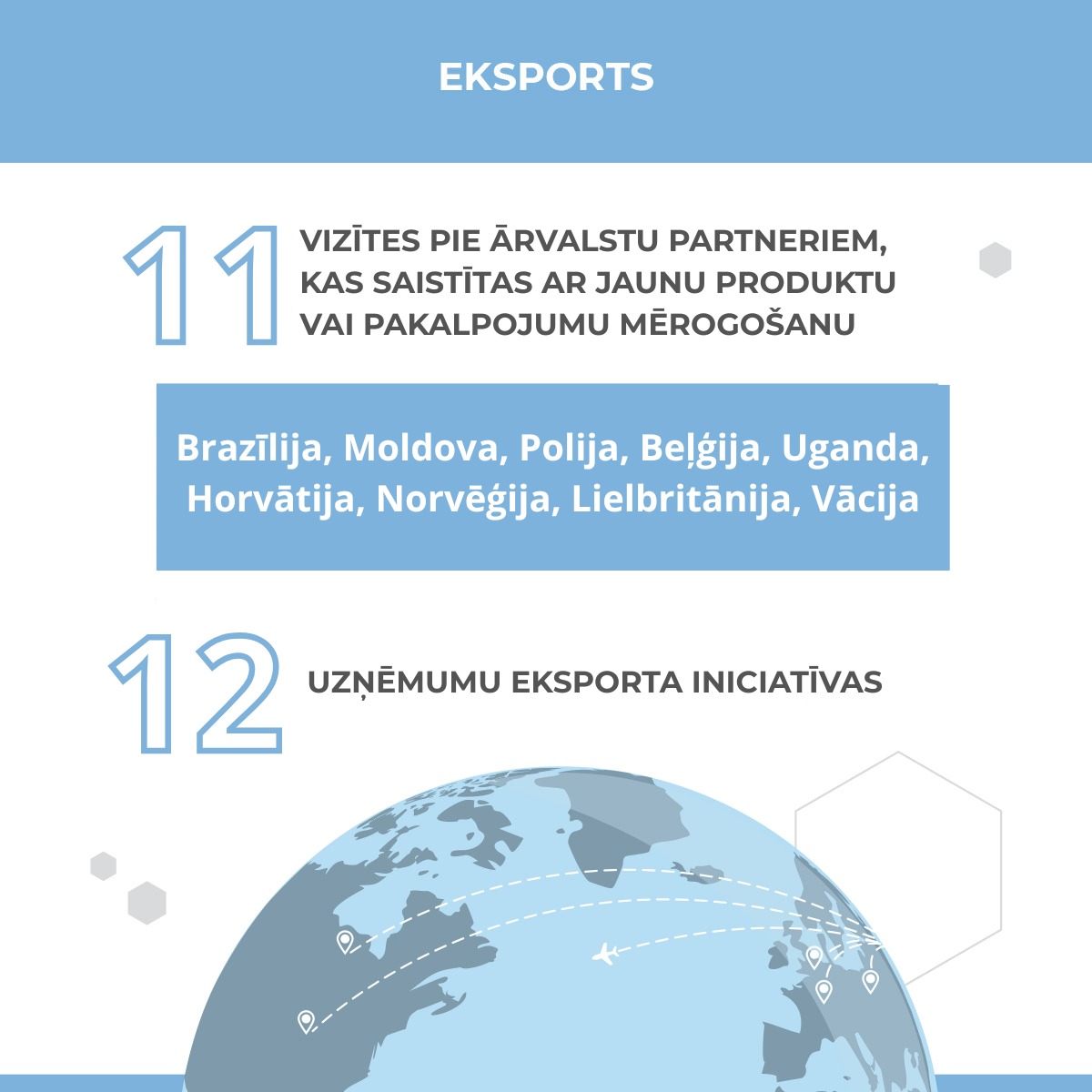
– Export visits to 9 countries;
– 15 networking events;
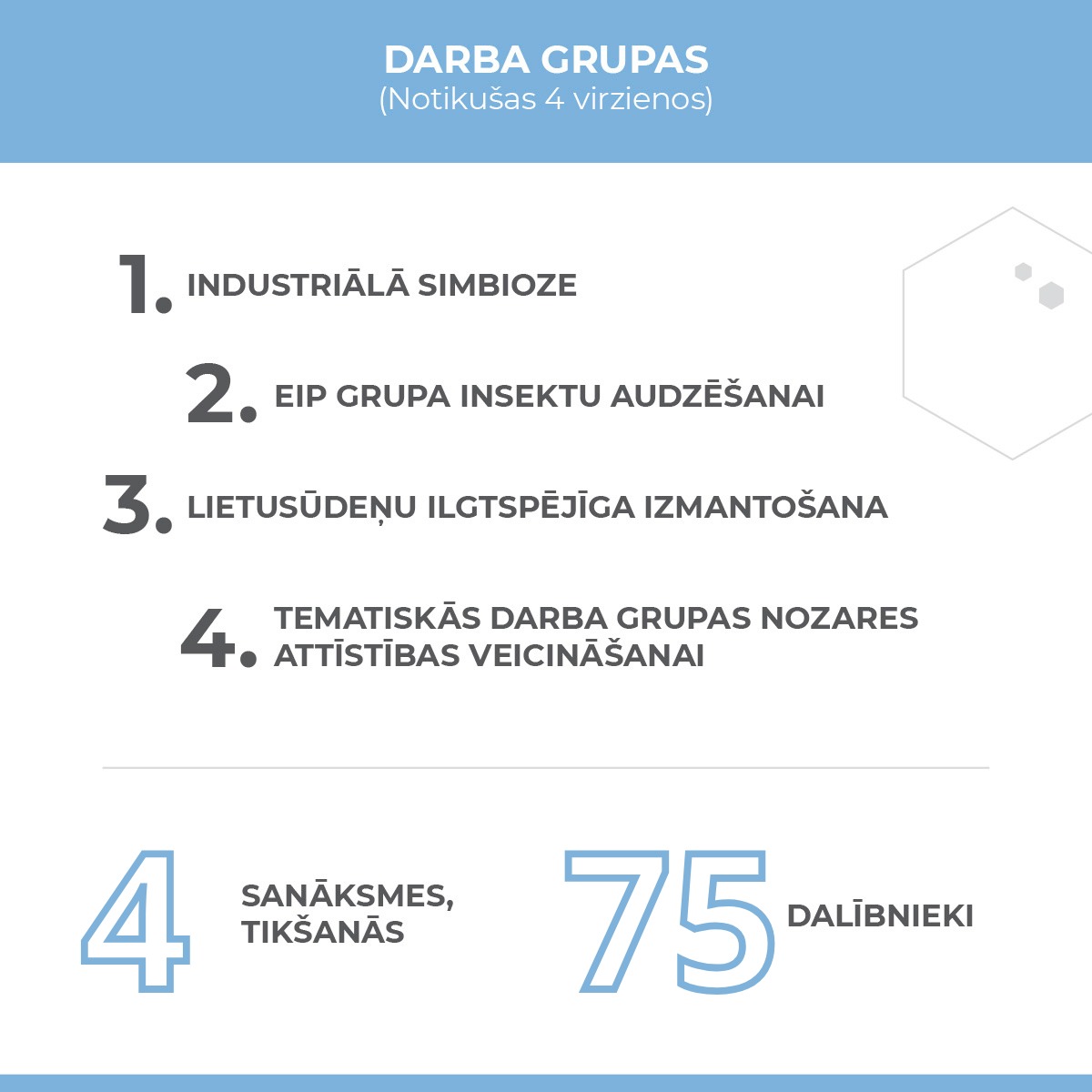
– 4 working group meetings.

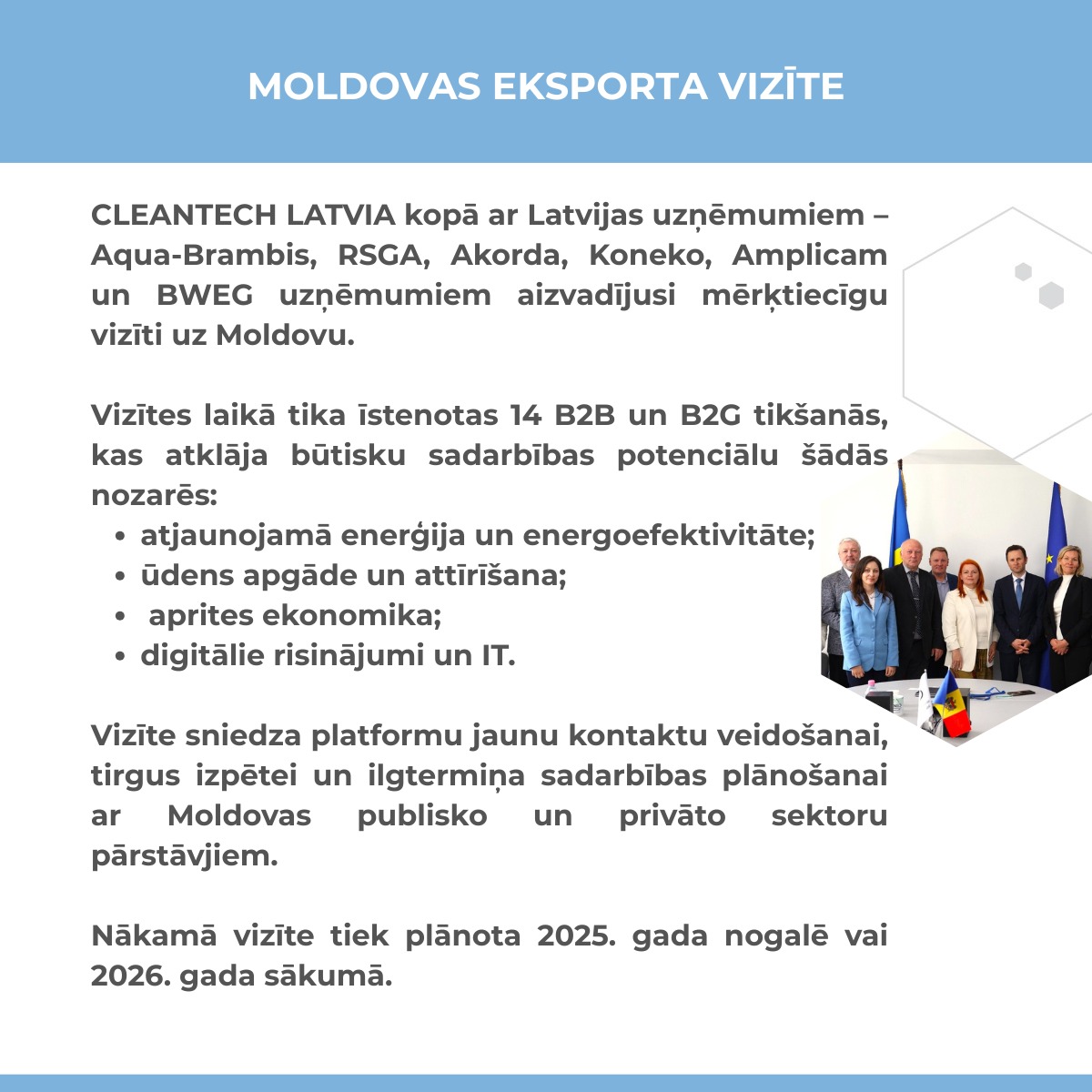
One of the most important activities in these quarters was the export mission to Moldova, which was attended by 6 CLEANTECH LATVIA members – Aqua-Brambis, RSGA, Akorda, Koneko, Amplicam and BWEG. The visit provided a platform for making new contacts, market research and planning long-term cooperation with representatives of the Moldovan public and private sectors. The next visit is planned for the end of 2025 or the beginning of 2026.

We are very pleased with the interest of the members and their participation in the planned activities of the project.

We will continue to inform you about the achievements of the next quarters until the end of the project.

The recording is co-financed by the Recovery Fund within the framework of project No. 5.1.1.2.i.0/3/24/A/CFLA/011 “CLEANTECH LATVIA cluster growth 2024-2026”.

Why are there so few biotechnology startups in Latvia?

Because it is a knowledge-intensive industry, and the creation and development of new projects to a significant level requires significant research and engineering capacity. And enormous patience, willpower, and indefatigable creativity.
Environmental engineer Kārlis from Biomund began working on the topic of insects 7 years ago, when he realized that our attitude towards organic waste was wrong and there had to be ways to use it more meaningfully.
Our cooperation with Kārlis began in 2019, when we embarked on a joint path to attracting external funding for the development of an innovation project, and since 2022, with the support of the Rural Support Service, we have been implementing the most significant project in the company’s history – the creation of a pilot plant for growing insects in automated conditions, because who would want to reload 1,000 boxes from one pile to another every day, and so on day after day.
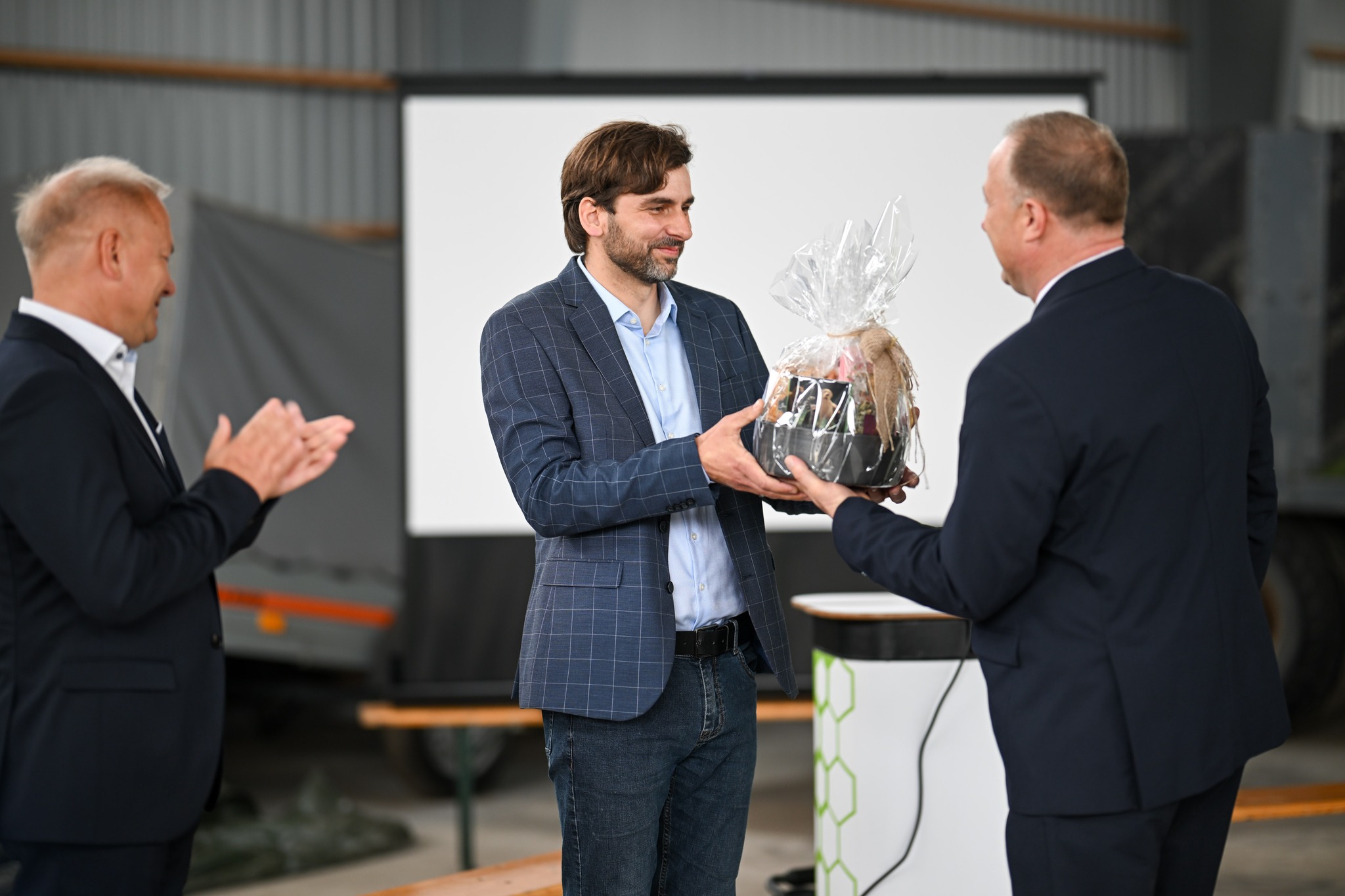
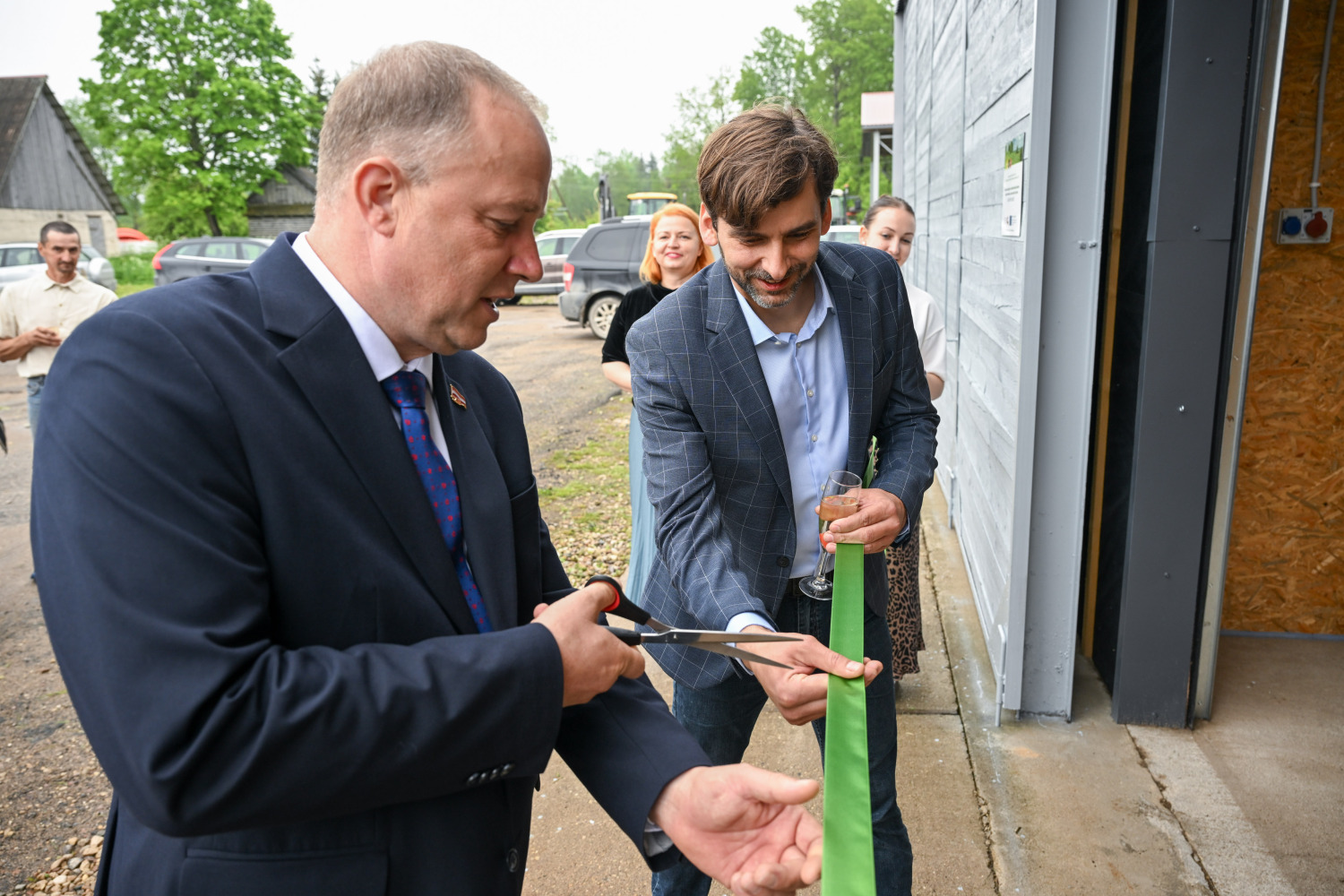
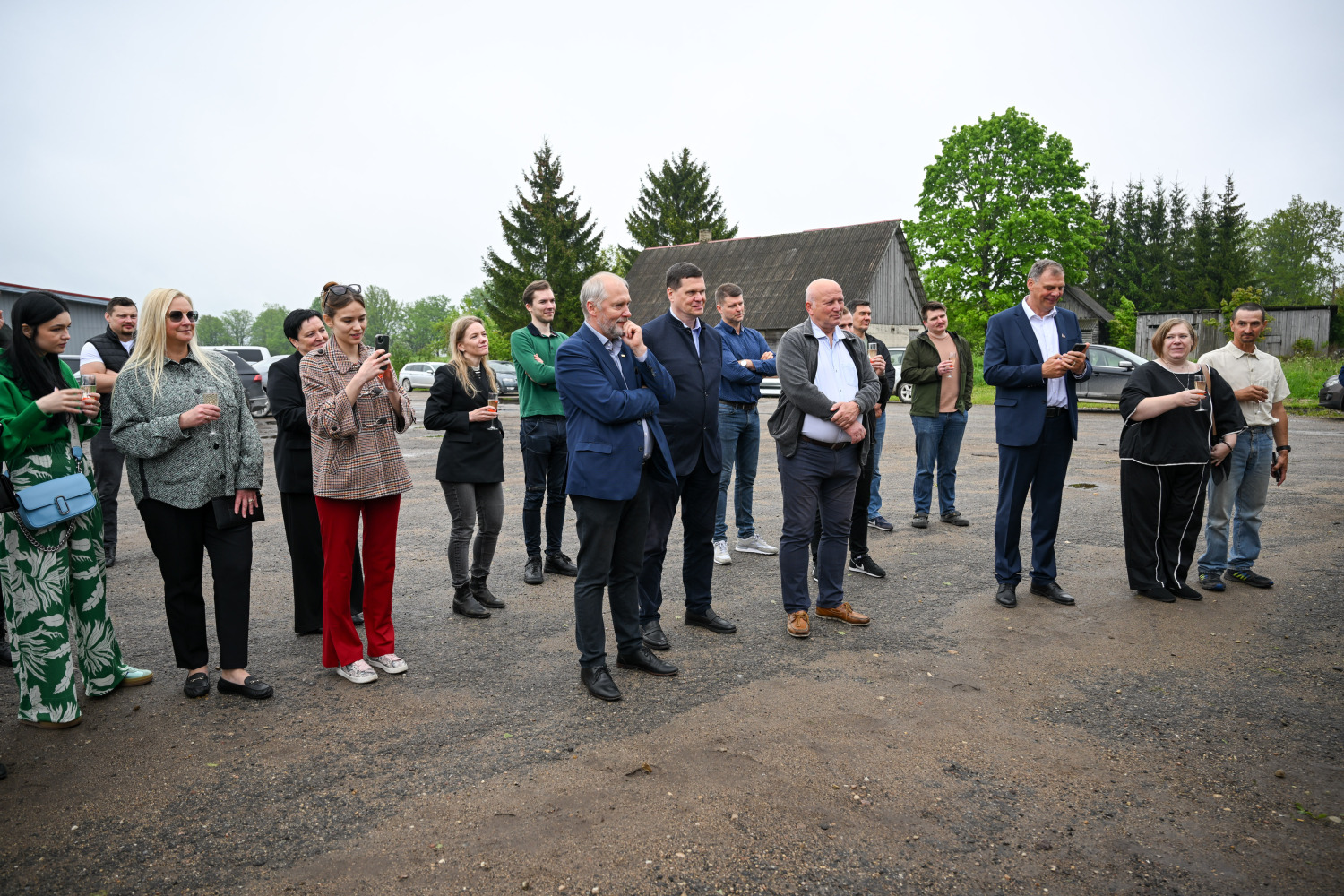
A lot has already been done and a lot of work has been done, and it is time to properly celebrate it and say thank you to everyone who has been involved.
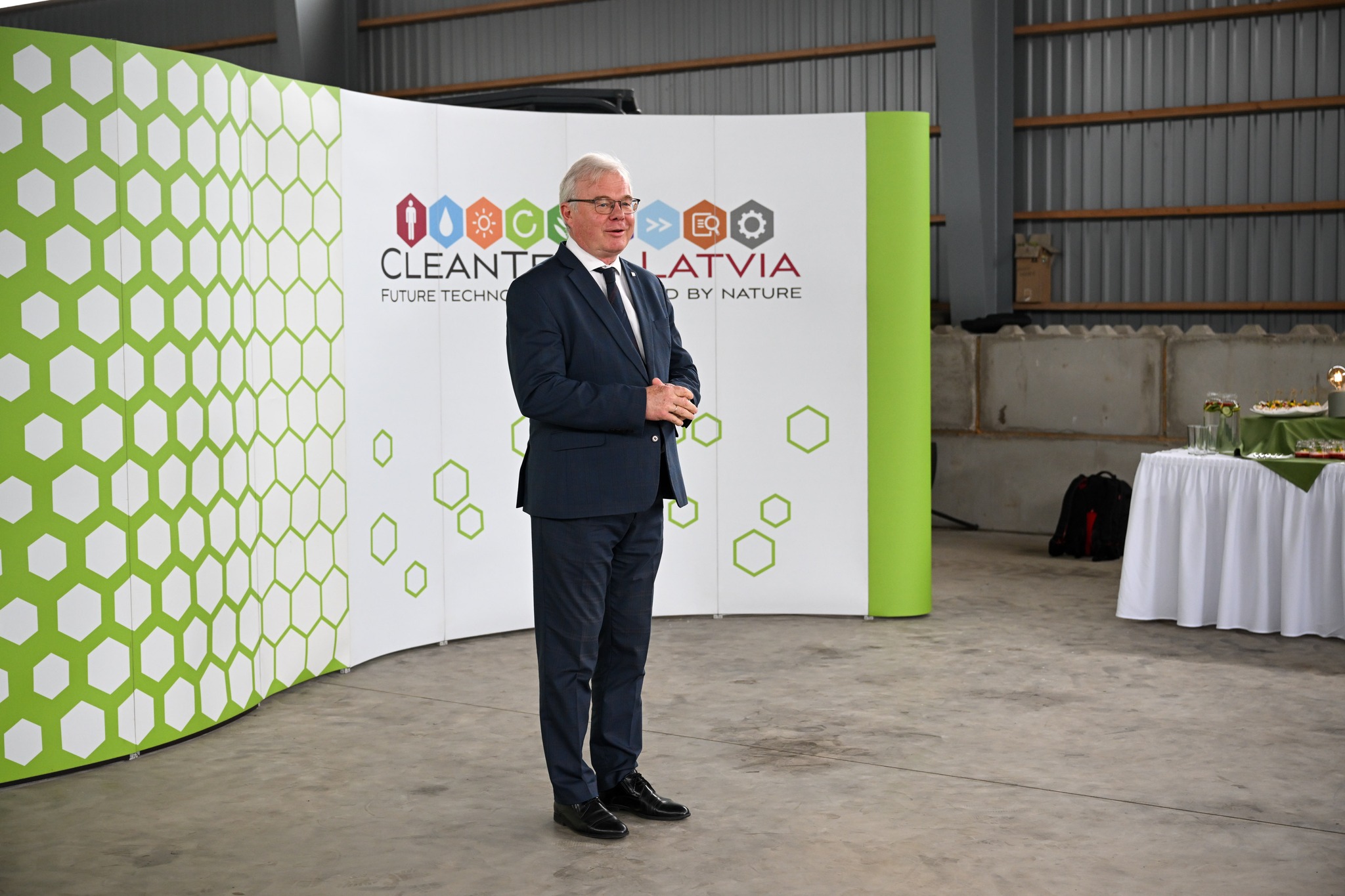
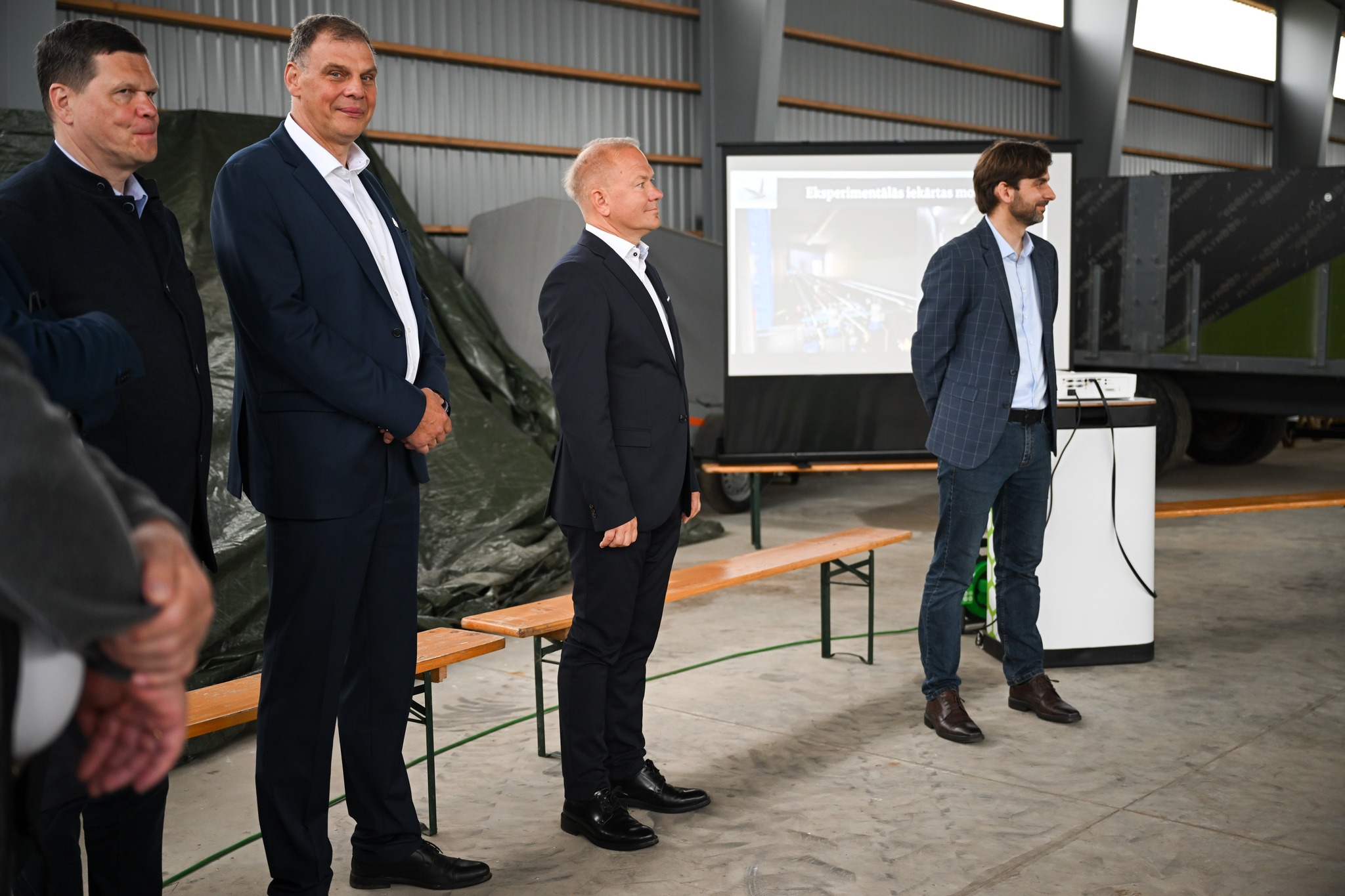
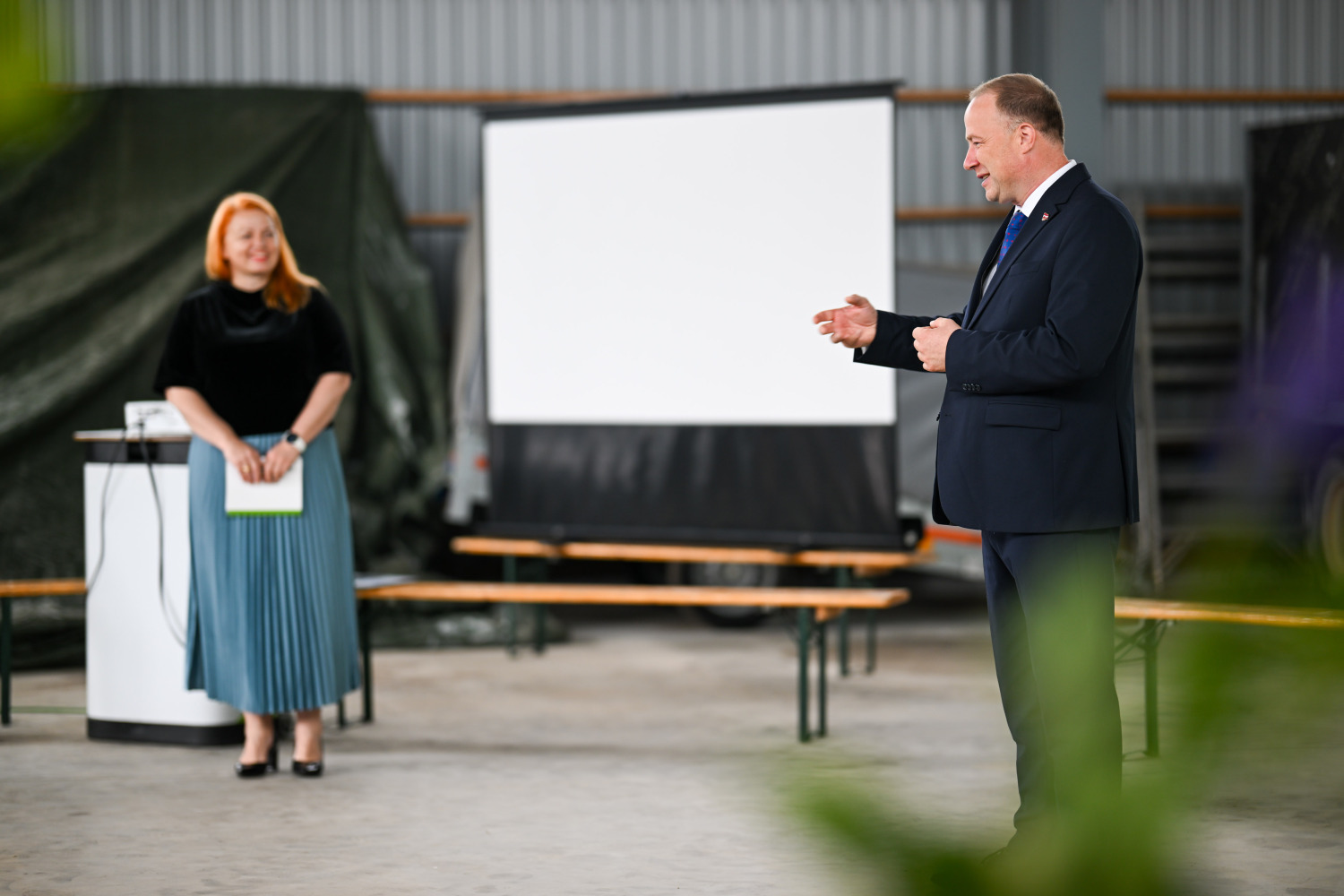
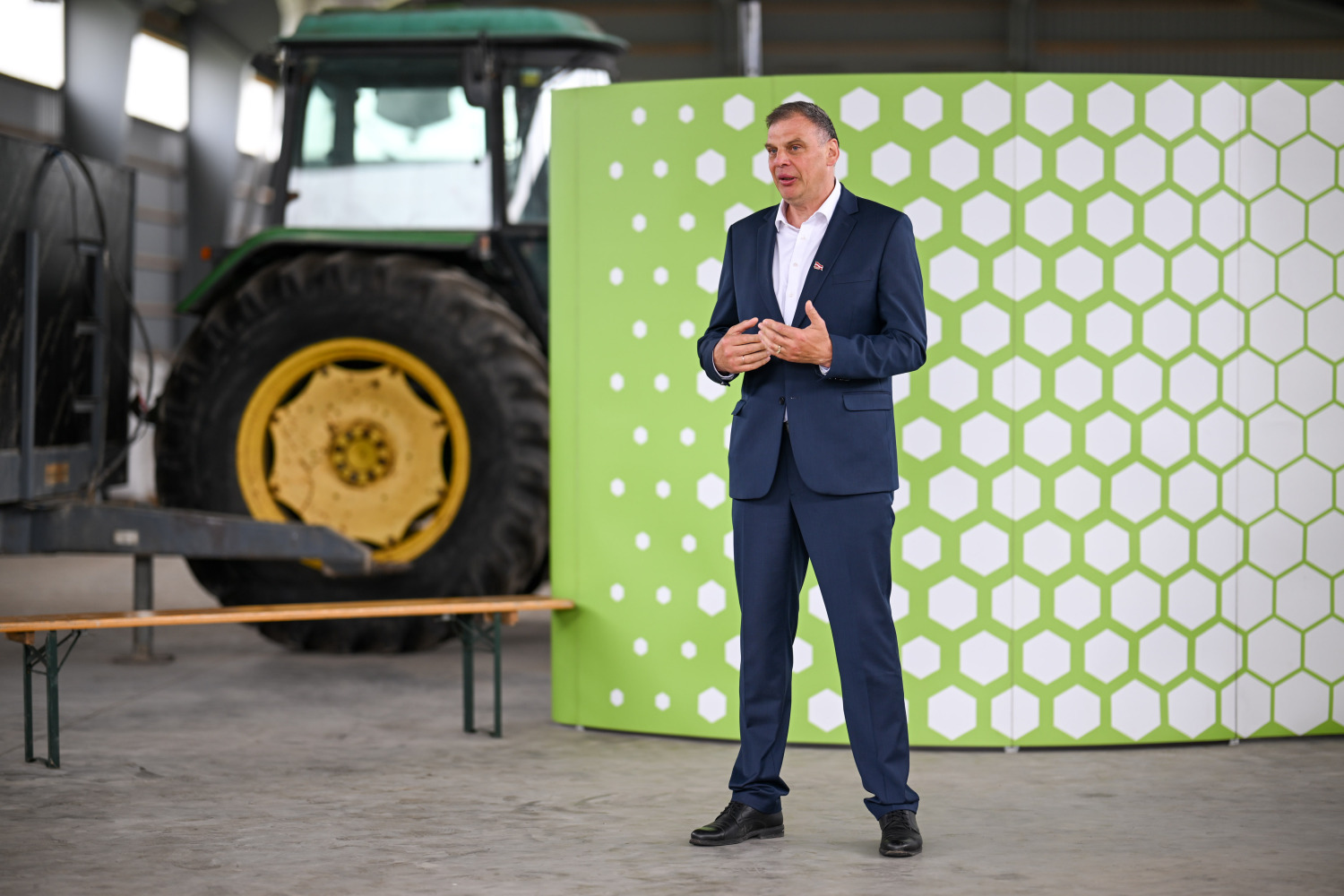
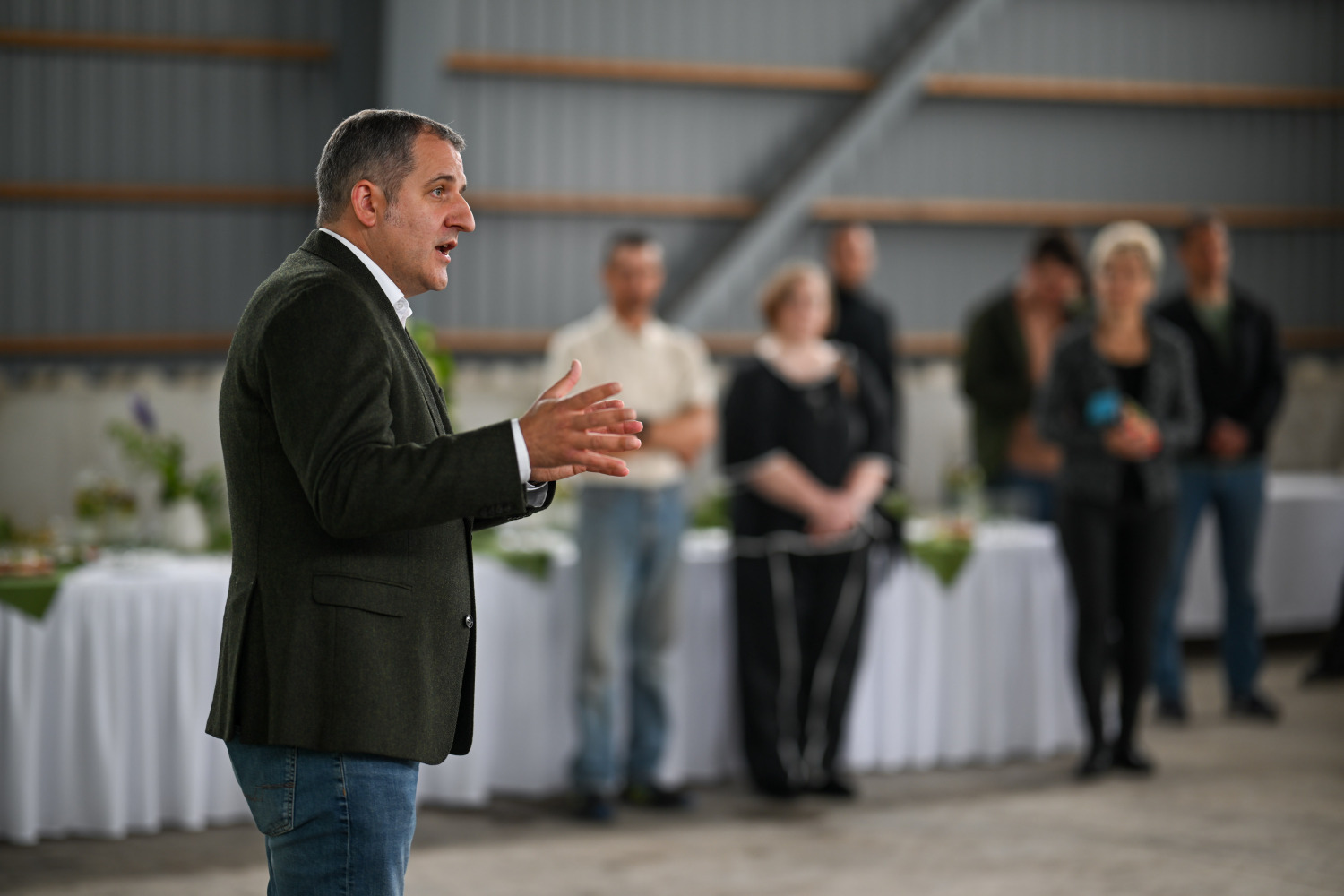
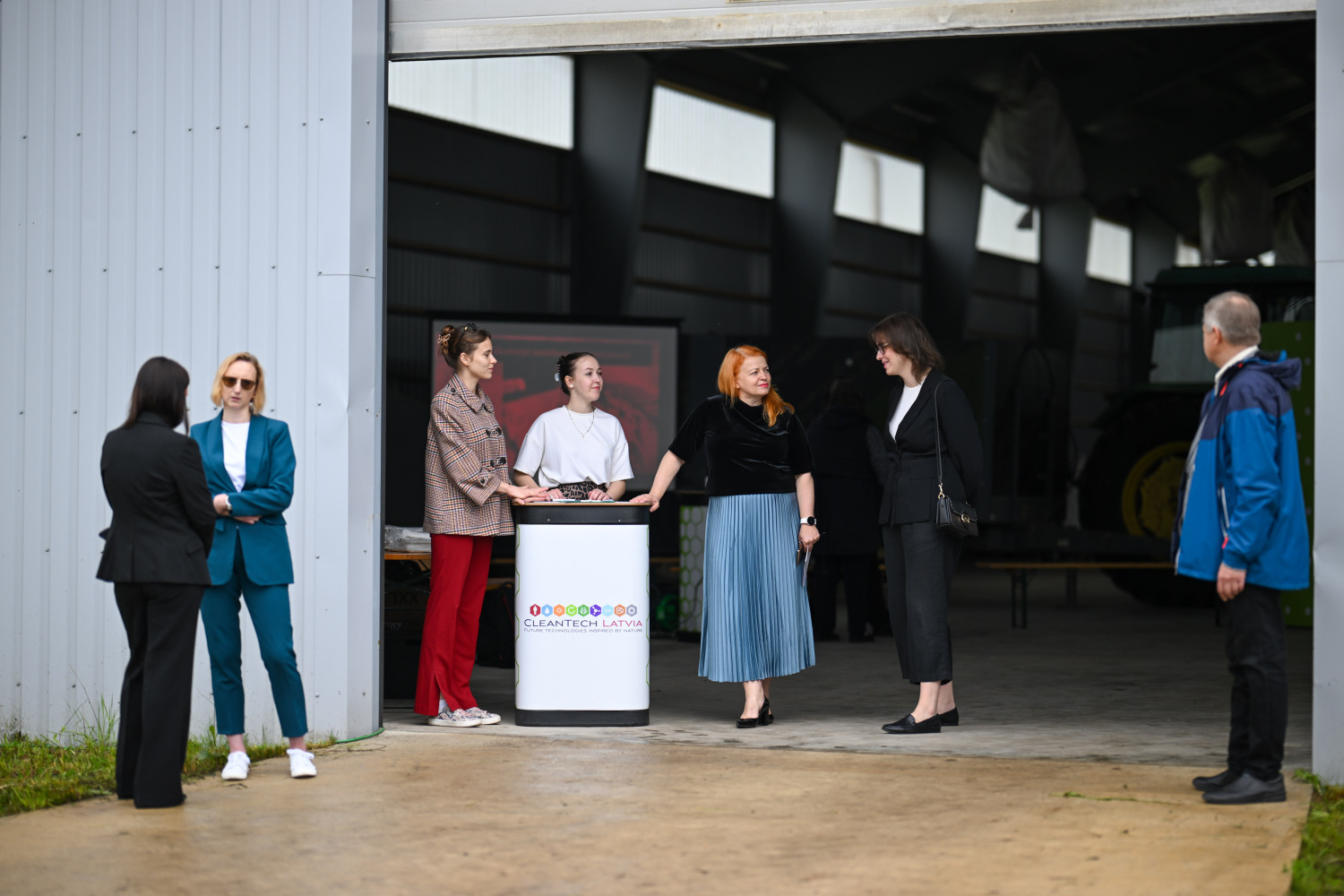
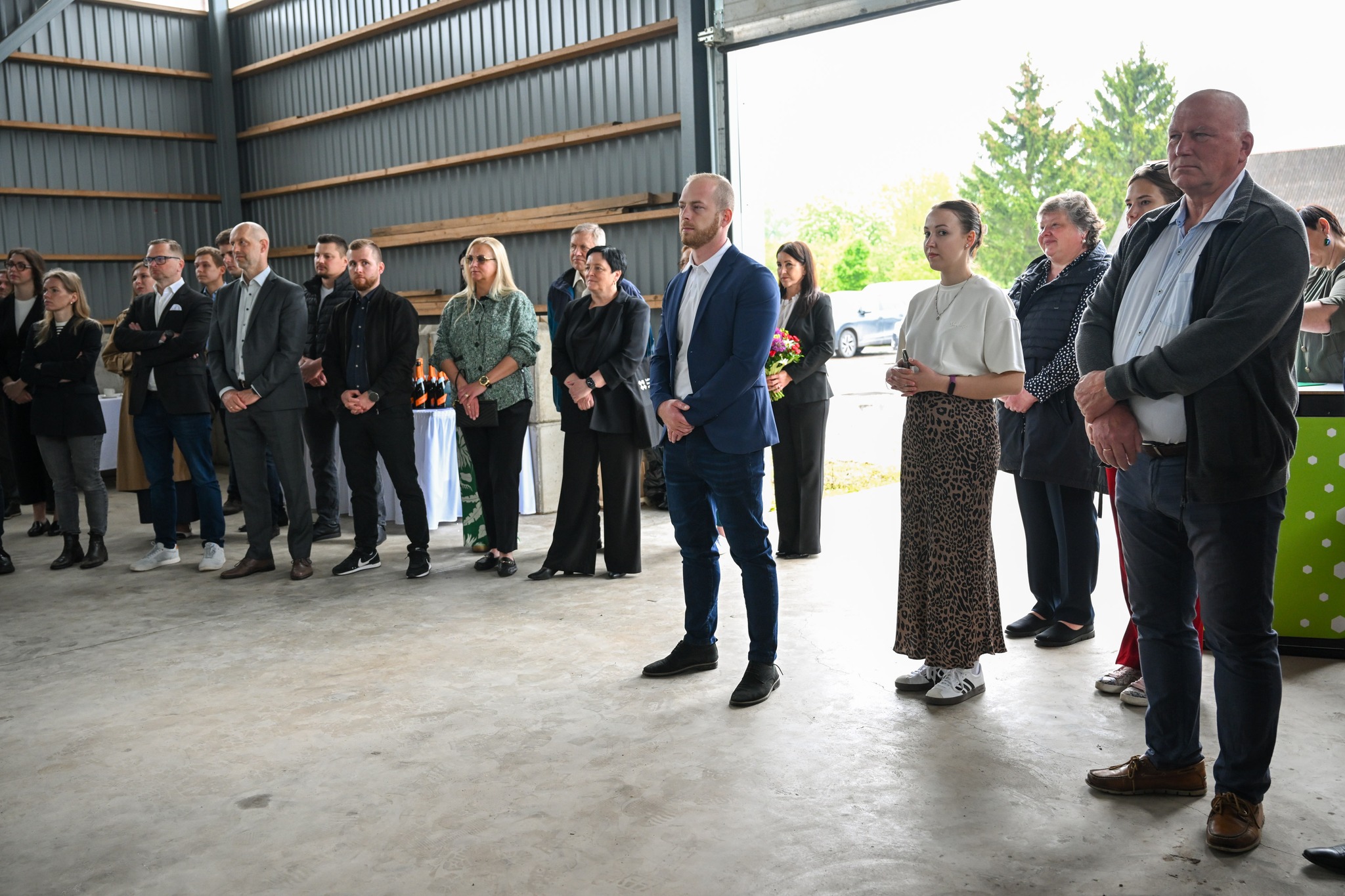
Yesterday we celebrated an important milestone in the project “Recovery of proteins from agricultural residues using insects and the creation of a new cycle of circulation”.
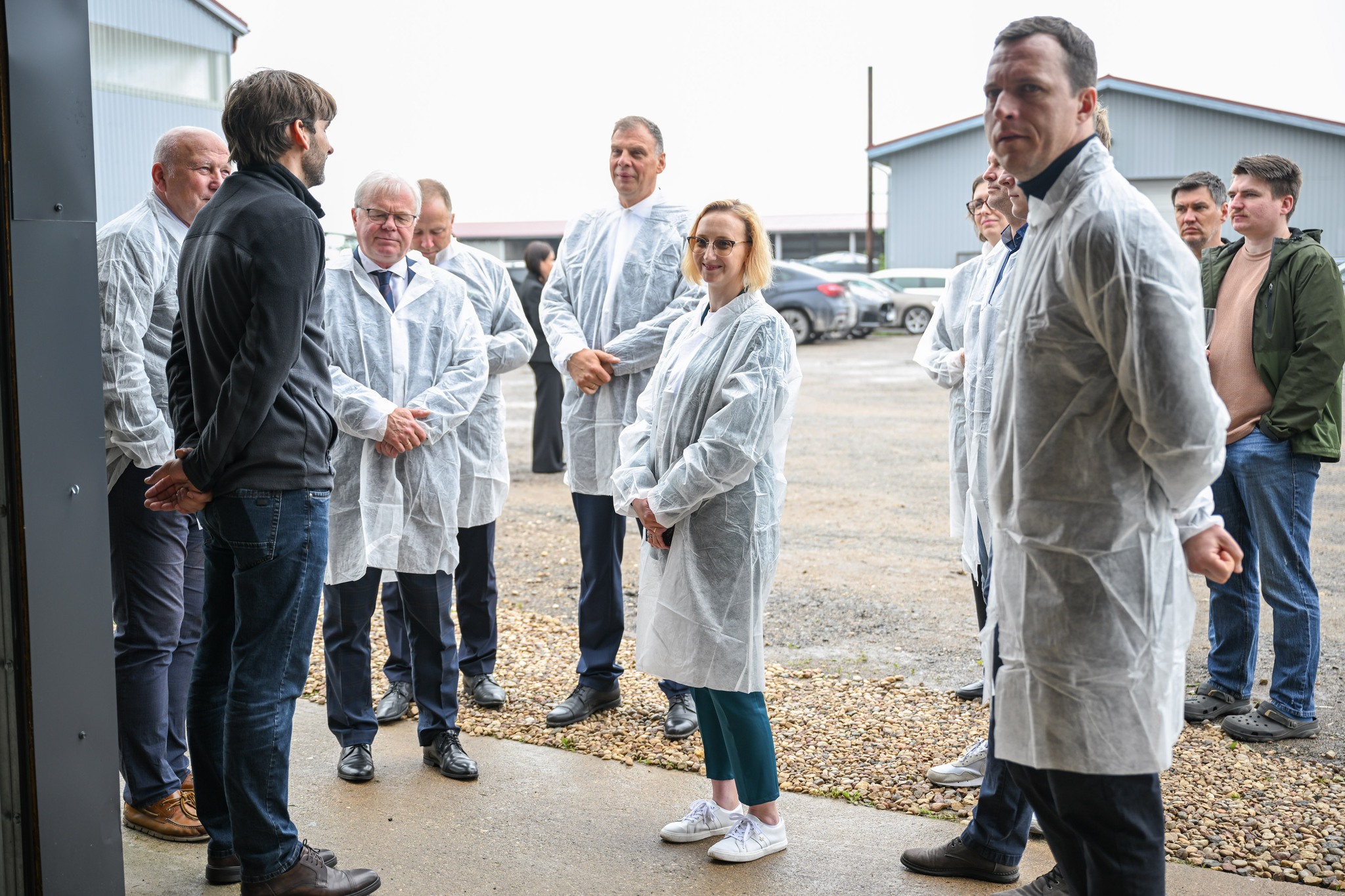
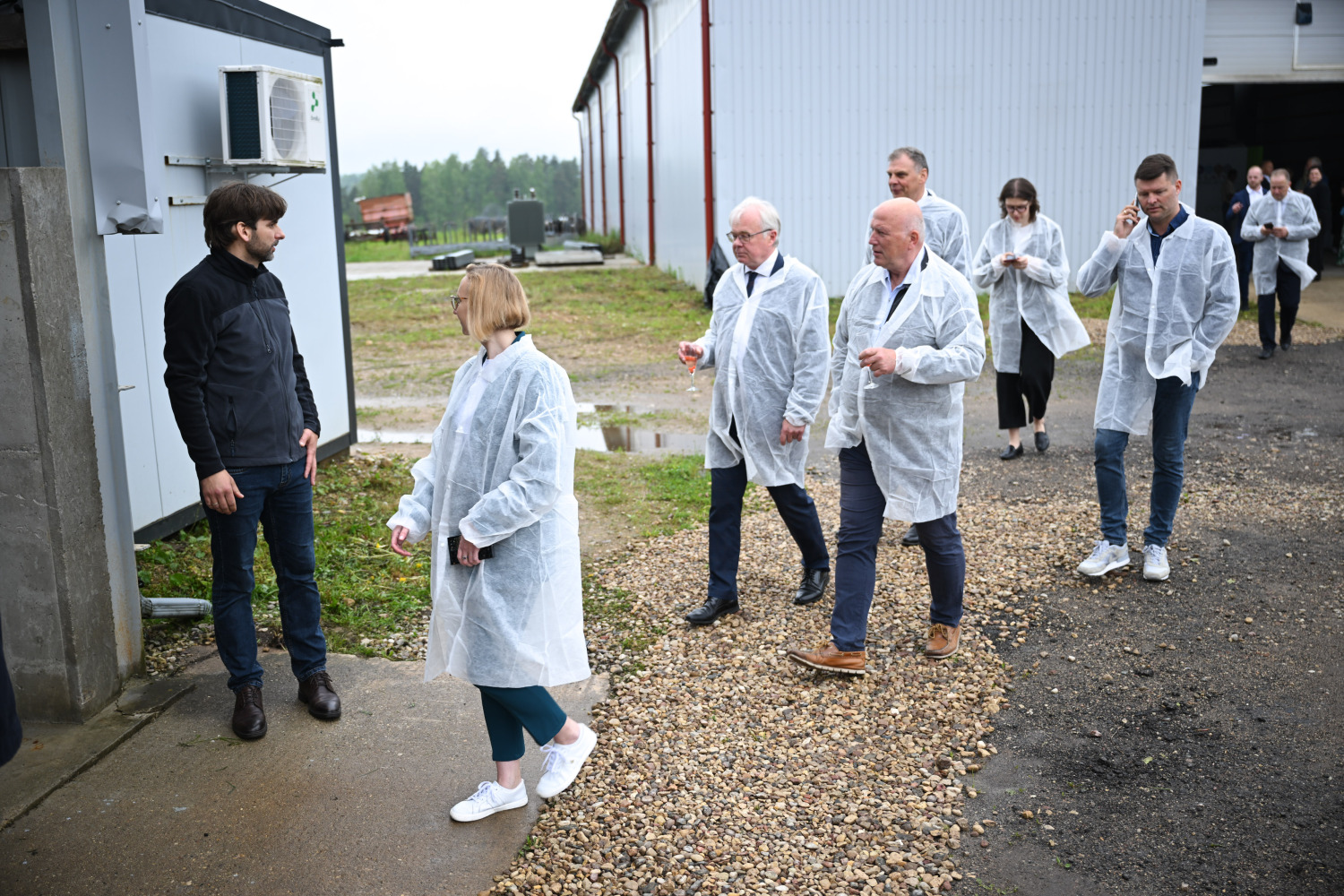
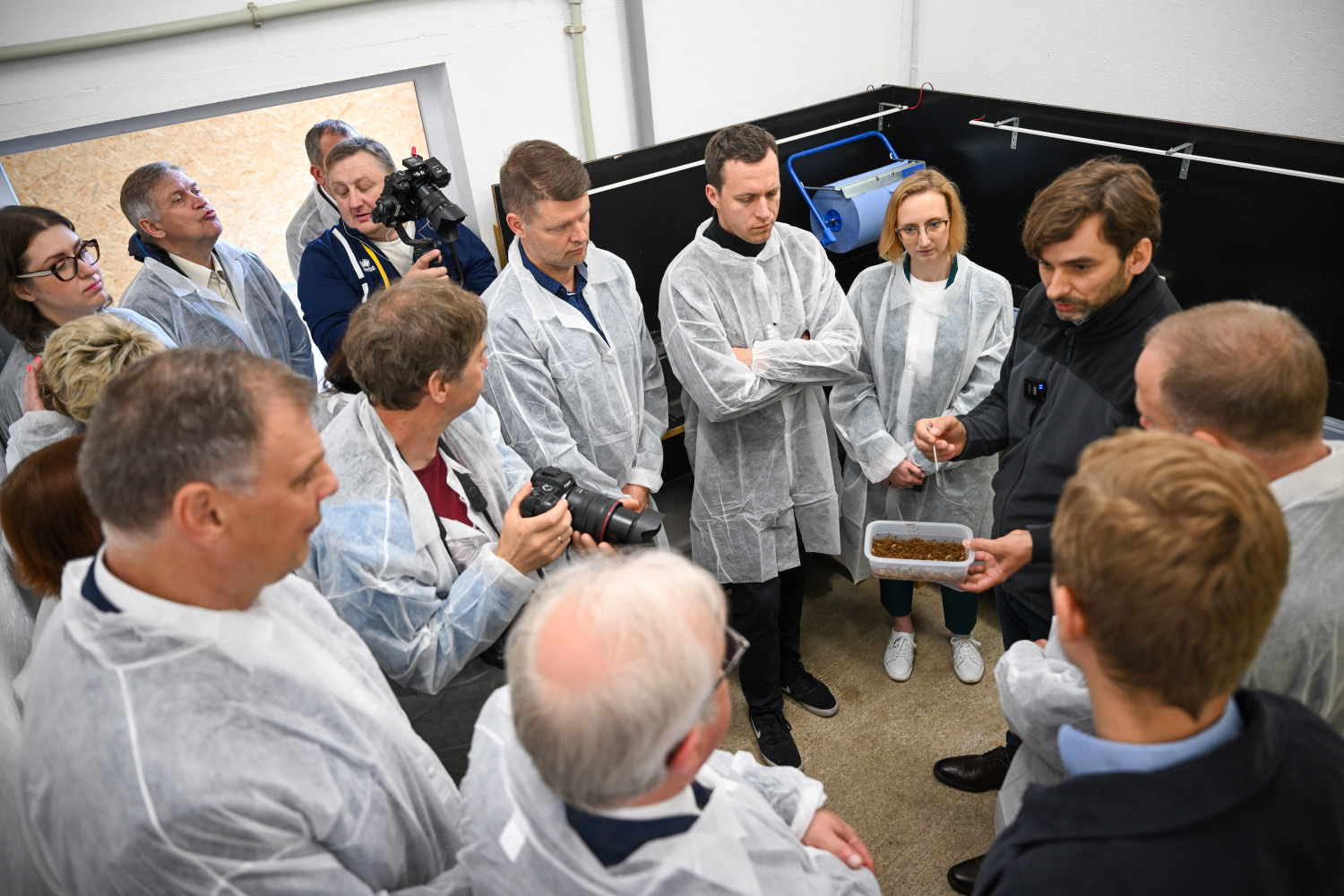
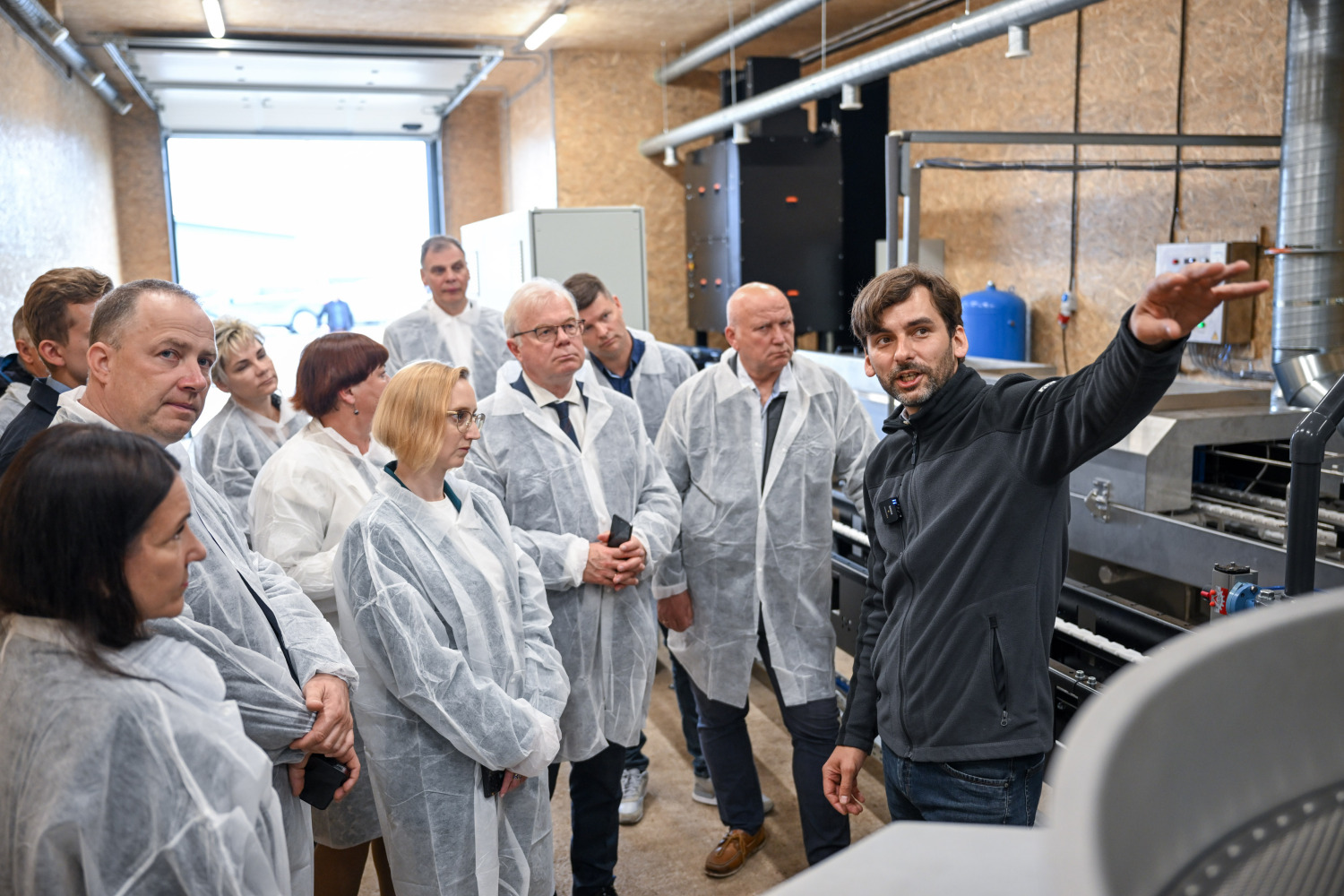
Together with the Ministry of Agriculture of Latvia, the Ministry of Climate and Energy, the Rural Support Service, the State Scientific Institute BIOR, LBTU – Latvian University of Biosciences and Technologies, the Cooperation Council of Agricultural Organizations, as well as our many cooperation partners, we inspected the already completed production line and observed the first insects in their growth process.
At present, it is important to prove that such processing of plant waste into resources can also be economically and technologically justified, and can become part of the circular economy in Latvia.
The supply of grown insects to chickens in their regular meal will also be important. We will know very soon what the chickens will say about it, because 100 lucky beauties will receive a dose of insects with their daily meal. The other 100, which are used to compare the results, will certainly envy the first ones, because what could be better for a chicken than a worm it found itself. Experts say that worms have a good effect on the well-being of chickens, they become calmer, do not peck each other, lay more valuable eggs and generally feel better physically. Will it be so? We will report. Already this year!
This project was supported by the Latvian Rural Development Programme 16.2. sub-programme “Support for the implementation of the EIP Agricultural Productivity and Sustainability Working Group project” and a great partnership – CLEANTECH LATVIA as the lead partner, knowledge-intensive start-up Biomund, knowledge and research organisation LBTU – Latvian University of Biosciences and Technology, company SIA Kabiņsala, and Latvian Young Farmers Club
The publication was prepared with the support of the project LAD No. 22.2-00A01120-000017.
Photo Vilnis Pļaviņš

How can a municipality become a driving force for industrial symbiosis?

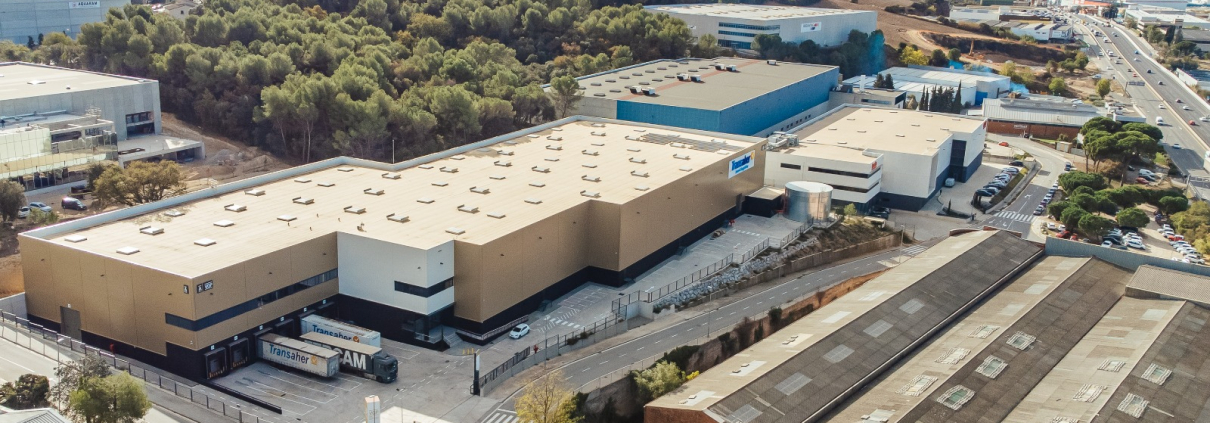
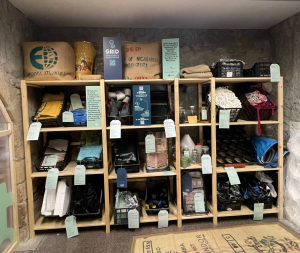
A study tour to Barcelona, a visit to GRID Granollers – a municipally-led initiative that puts industrial symbiosis into practice – helped us understand this question.
GRID Granollers emphasizes that municipalities have an advantage in implementing such initiatives: they know their companies, infrastructure, people’s needs and local problems. This knowledge allows them to purposefully promote cooperation between companies, facilitate the exchange of resources and bring the circular economy to life not only formally, but also in real life.
Their Mercat de Recursos (Resource Market) is a digital platform where companies can exchange surplus materials, thus reducing waste and at the same time reducing costs. In parallel, they operate the Coopera program, which also helps companies cooperate in waste management, energy efficiency and logistics.
GRID Granollers’ approach is based on building trust, sustainability and cost reduction – these are the key elements that help companies take a step closer to industrial symbiosis.
Their example proves to us that if a municipality is active, purposeful and in close contact with local businesses, it can be a real driver of change on the path to a circular economy.

Or could your municipality also take a step in this direction?
Consider adapting the GRID Granollers experience in your region – let’s share inspiration and practical examples!
– The experience exchange trip took place within the framework of the projects “Development of prerequisites for the implementation of industrial symbiosis and strengthening the competence of the LSG” (No. 1-08/95/2024) and “Waste as resources in Latvia – Promoting regional sustainability and circularity” (LIFE20 IPE/LV/000014).

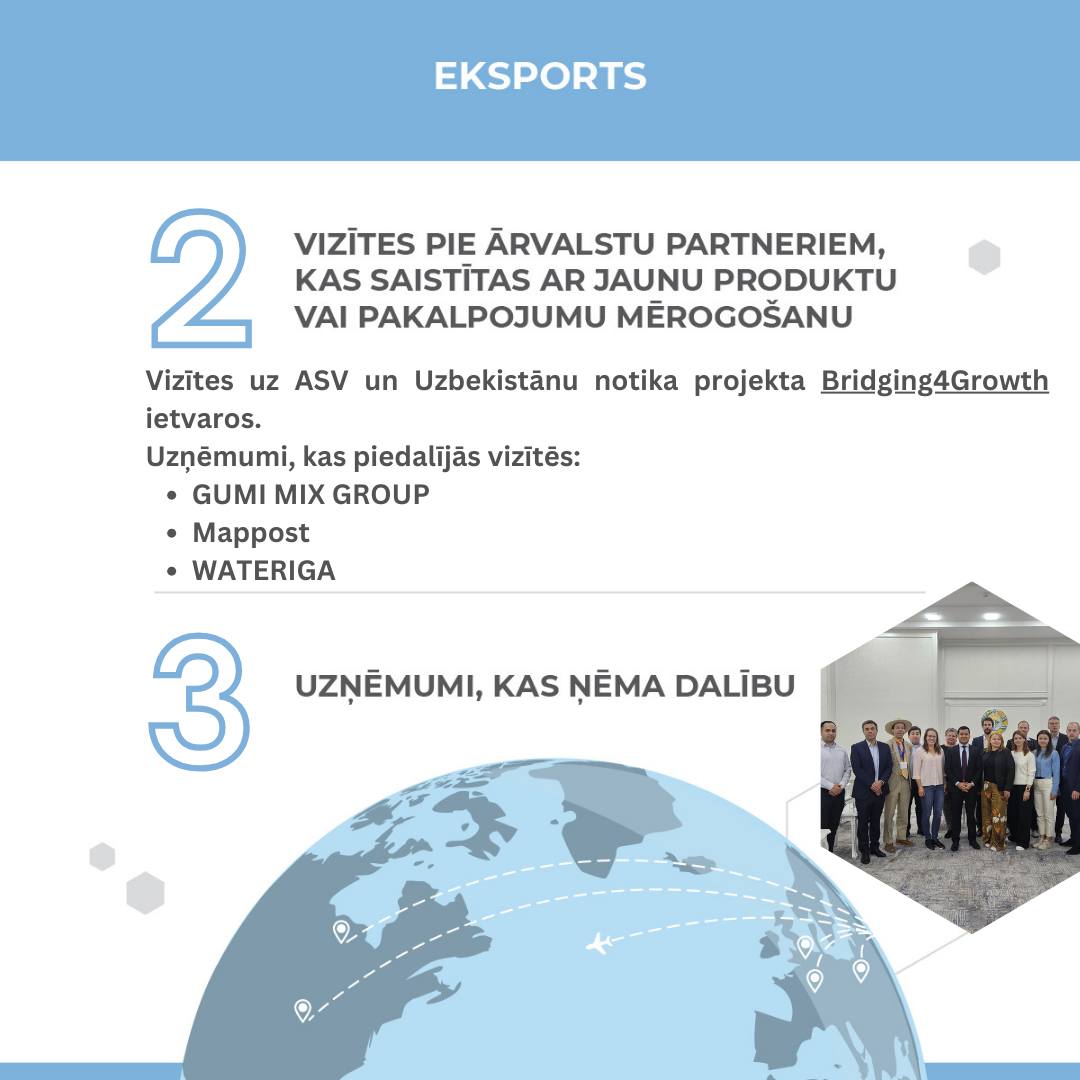
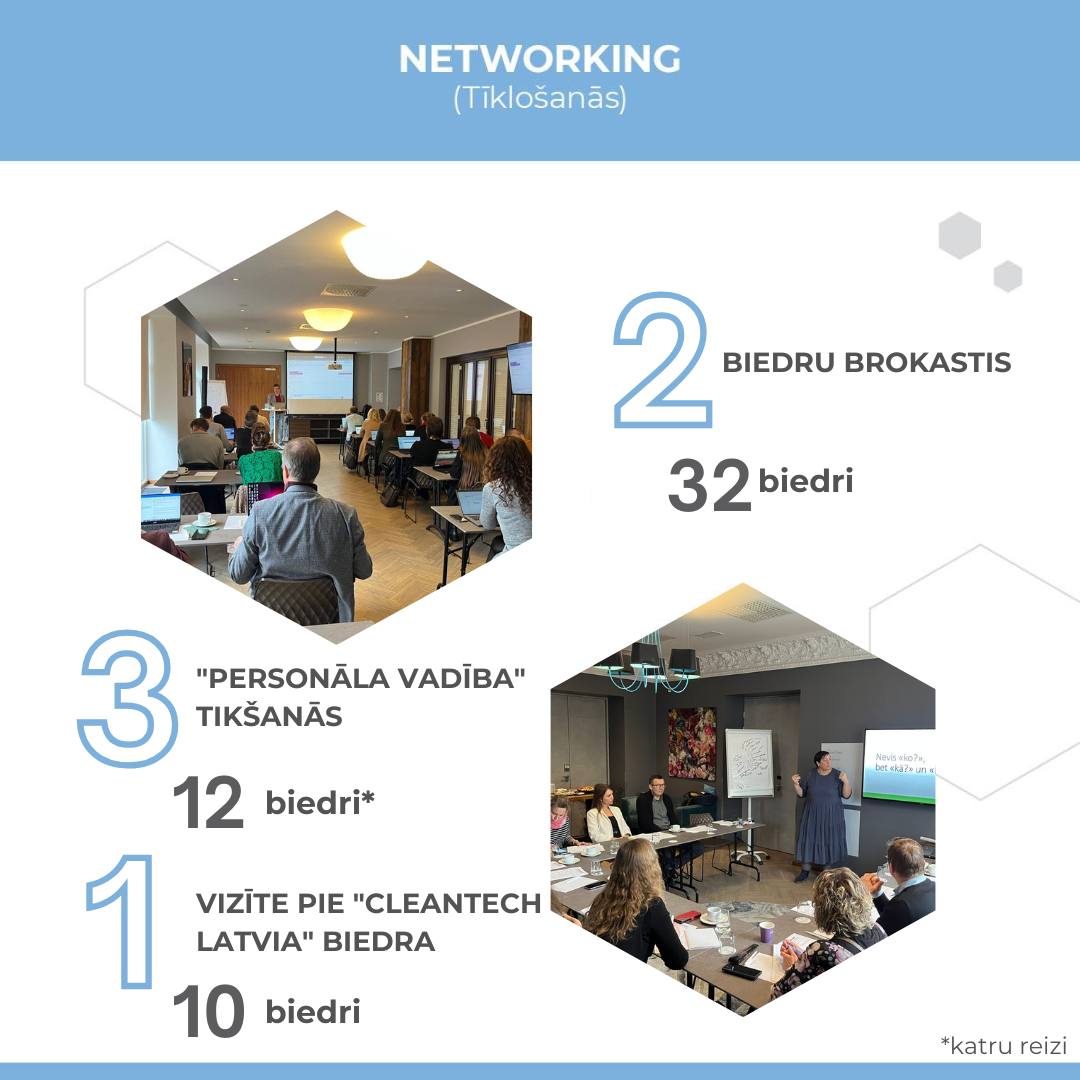
We invite you to take a look at the indicators achieved in the 3rd and 4th quarters of the project CLEANTECH LATVIA Cluster Growth 2024-2026.
This period can be described as quite active:
– 2 Export visits to foreign partners to promote the development of new products and cooperation;
– 6 Networking events;
– Publishing and sending out newsletters about the current project in the context of the project.
We are very pleased with the interest and participation of our members in the planned activities of the project.
We will continue to inform you about the achievements of the next quarters until the end of the project.
The entry is co-financed by the Recovery Fund within the framework of project No. 5.1.1.2.i.0/3/24/A/CFLA/011 “CLEANTECH LATVIA Cluster Growth 2024-2026”.

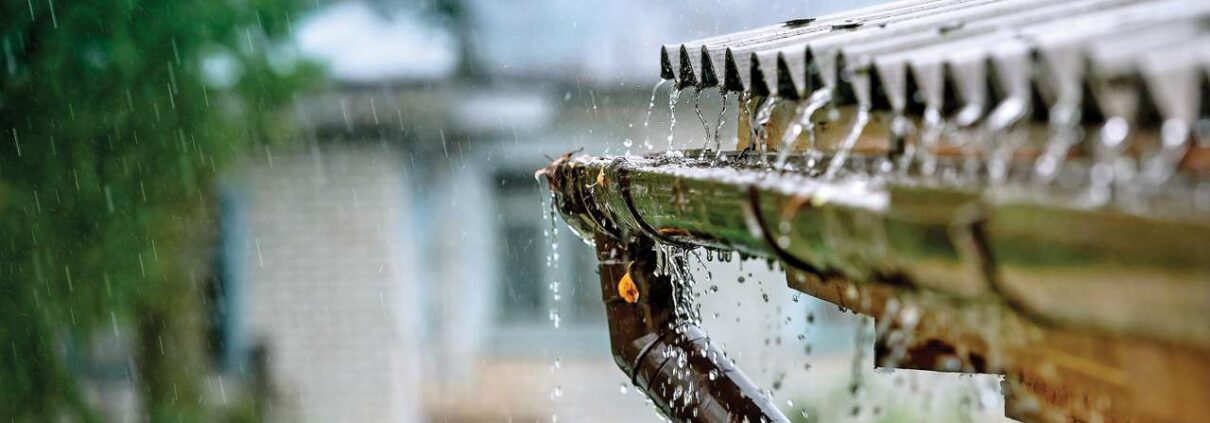
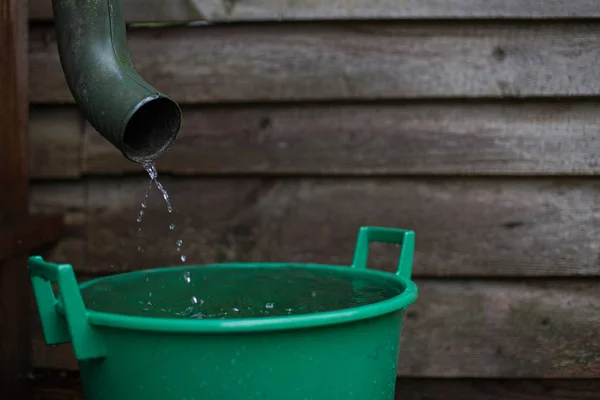
The project developed Design Guidelines for Sustainable Stormwater Solutions (SWSS), which combine green infrastructure elements with engineering methods to create modern and ecological urban systems. The guidelines offer a comprehensive approach to stormwater management, focusing on mimicking natural processes, reducing flood risk and improving water quality.

Key features of the guidelines

SWSS systems are adaptable to urban density and climate change challenges. The guidelines offer solutions that help stormwater naturally absorb, filter and gradually return to natural cycles. The most important solutions include:

· Rain gardens, which capture and filter water from impervious surfaces.

· Green roofs, which provide water accumulation and improve the urban microclimate.

· Wetlands and infiltration basins, which improve water quality and ensure biodiversity.

· Green corridors that combine aesthetics with efficient water management and heat island mitigation.

The role of plants in sustainable solutions

The project emphasizes the multifunctionality of plants: water retention, soil stabilization, pollutant filtration and provision of ecological services. Plants are selected taking into account local climatic conditions and their ability to adapt to fluctuations in humidity levels.

Global trends and local relevance

Considering the increase in urban urbanization and the more intense impact of climate change, the guidelines offer decentralized approaches based on the integration of natural processes. They are in line with international green infrastructure trends and help create a more resilient, ecologically friendly and economically advantageous urban environment.

The guidelines are a significant step towards the development of sustainable infrastructure in Latvia, promoting the integration of environmentally friendly solutions in the urban environment, reducing flood risk and improving the quality of life of society.

In October this year, the German Water, Wastewater and Waste Management Association (DWA) approved the regulations (worksheet) DWA-A 138-1 “Rainwater infiltration systems – Part 1: Planning, construction and operation”, which is a document of a similar level to the Latvian national standard.

Cities with significant population density face major challenges in rainwater management, especially because climate change is increasing the frequency, duration and intensity of extreme weather conditions, such as heavy rainfall and heat waves. This overloads the wastewater system and contributes to the increase in summer heat. According to the German Water Resources Act (WHG), rainwater must be managed decentrally or discharged directly into a water body using a sewage system in which rainwater is not mixed with domestic wastewater. The DWA-A 100 “Guidelines for integrated urban stormwater management” regulations set the overall goal of having as little impact on the natural water balance as possible as a result of development. Looking to the future and taking climate change into account, decentralized stormwater management is becoming a priority: stormwater is collected and used on site (if possible and permissible), evaporated, infiltrated into the soil or discharged into local surface waters, taking into account soil and water protection requirements.

History of the regulations

DWA (Deutsche Vereinigung für Wasserwirtschaft, Abwasser und Abfall) is the German association for water management, wastewater and waste management, whose role is to develop safe and sustainable water and waste management. As a politically and economically independent organization, it works professionally in the areas of water management, wastewater, waste and soil protection.

At European level, DWA is the association with the largest number of members in this field and occupies a special place thanks to its professional competence in developing regulations, educating and informing both experts and the public. The association has approximately 14,000 members, who are managers and experts from municipalities, universities, design offices, institutions and companies.

The regulations for rainwater infiltration systems have developed over a long period of time. In January 1990, the ATV-A 138 worksheet “Construction and design of systems for decentralized infiltration of relatively unpolluted rainwater” was first developed. In 2005, the regulations were revised to create the DWA-A 138 worksheet “Planning, construction and operation of infiltration systems”. The updated regulations were published for public consultation in 2019 and have now been supplemented and approved.

The DWA-A-138 worksheet provides an overview of currently known rainwater infiltration solutions that have proven themselves in practice. Information is included on the infiltration of rainwater into groundwater and the necessary hydrogeological conditions for its implementation, as well as on the necessary measures for the protection of soil and groundwater. The first part summarizes the currently known infiltration methods and systems that have proven themselves in practice, while the second part (DWA-A-138-2), which is under development, provides specific examples and practical advice.

In 2022, CLEANTECH LATVIA, together with SIA “BIOMUND”, SIA “KABIŅSALA”, the association “Latvijas Jauno zemnieku klubs” and the Latvian University of Biosciences and Technology, began work on the project “Protein recovery from agricultural residues using insects and the development of a new life cycle”.

One of the key stages of the project is to create a pilot plant in which agricultural residues will be processed using insects. Despite various challenges in the process of creating the pilot plant, significant work has been carried out within the project, from detailed design to the creation and installation of the plant.

First, the procurement for design work has been completed. A detailed project has been developed for the entire construction of the cultivation equipment, which includes 3D visualizations and a list of necessary materials, including drive elements. The project includes individual drawings for the manufacture of parts, including general drawings of laser cutting layouts, welded parts, as well as drawings of turned and milled parts. Secondly, after the design was completed, a procurement was made for the supply of equipment frame materials. This step provided the opportunity to assemble and install the equipment frame in accordance with the developed project. The assembly work proceeded smoothly and was carried out in high quality, providing a stable foundation for further installation work on the equipment.

The next important step was the procurement for the supply of materials for the air exchange and feed supply system. As part of the project, an air exchange system with an air recovery unit for heat energy recovery was fully installed. In addition, the initial air exchange system was also balanced to ensure an appropriate environment for the growing process.

In the context of the procurement, the procurement for the supply of pneumatic components, which is an essential component of the equipment’s functionality, was successfully completed. Pneumatic components will ensure precise and efficient operation of the equipment, which is critical in the breeding process. In addition, a procurement has been made for the purchase and installation of gates. Industrial sectional gates and two high-speed gates have been installed, which separate the larval breeding area from the service area, to ensure an optimal level of hygiene and safety and to effectively organize work in the equipment premises.

The procurement for the supply of motors and reducers has also been successfully completed. In accordance with the project and procurement specifications, 26 electric motors and appropriate set of reducers have been delivered. These elements are essential for the mechanical operation of the equipment, ensuring effective and stable process control.

Overall, the project has been accompanied by various challenges, as evidenced by the extension of the project deadline – it is planned to be completed in June 2025. Currently, work is still underway on the installation of the pilot plant, but it is predicted that the testing process of the equipment will begin in the near future. The project’s pilot plant is a significant step towards providing modern and efficient solutions for processing agricultural residues to recover valuable proteins.

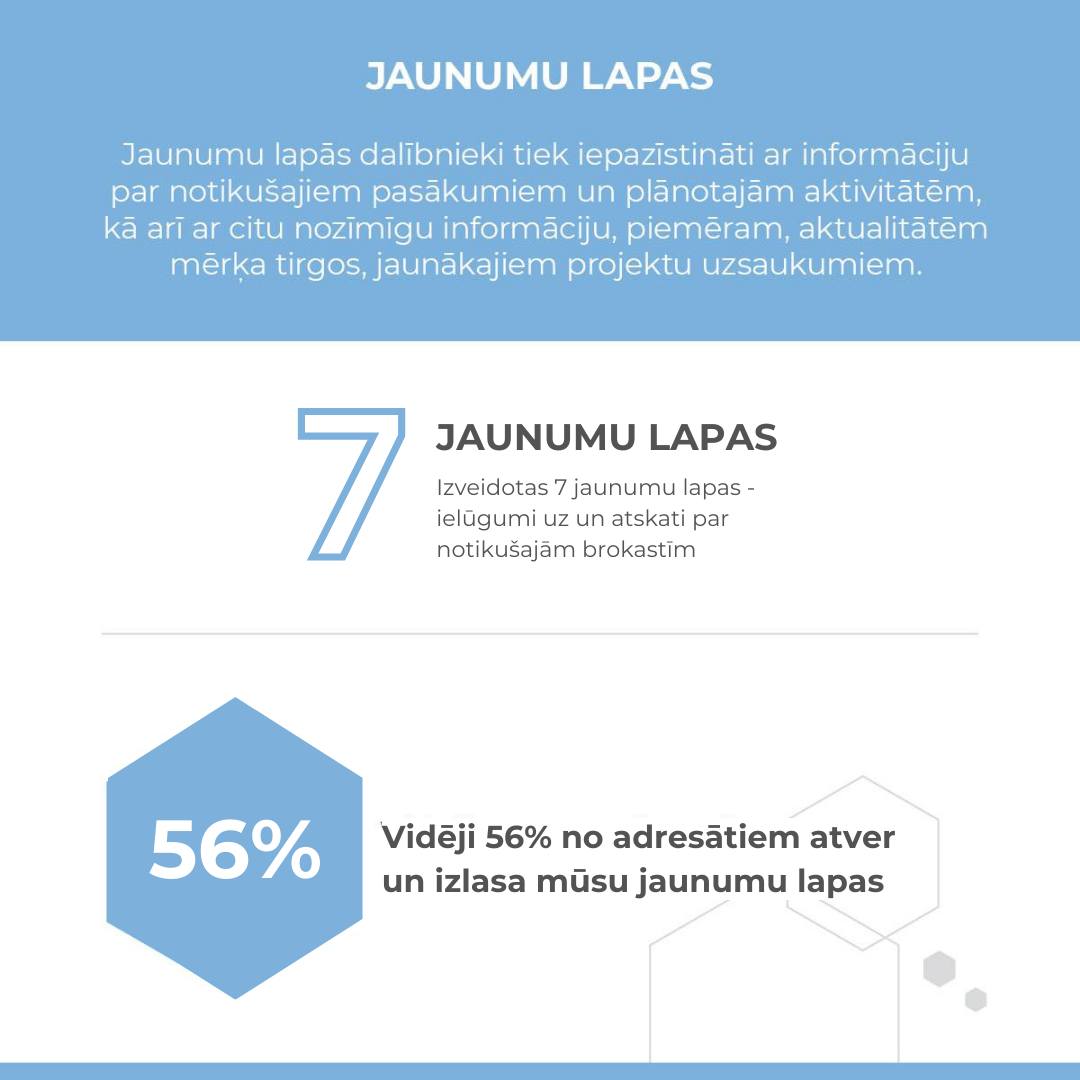
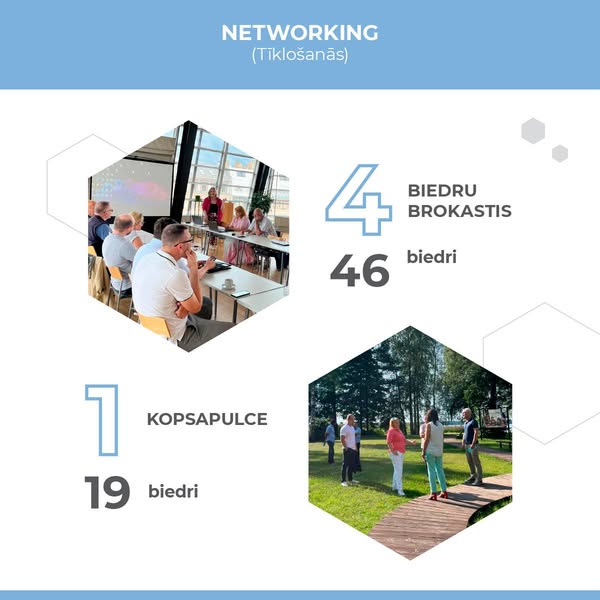
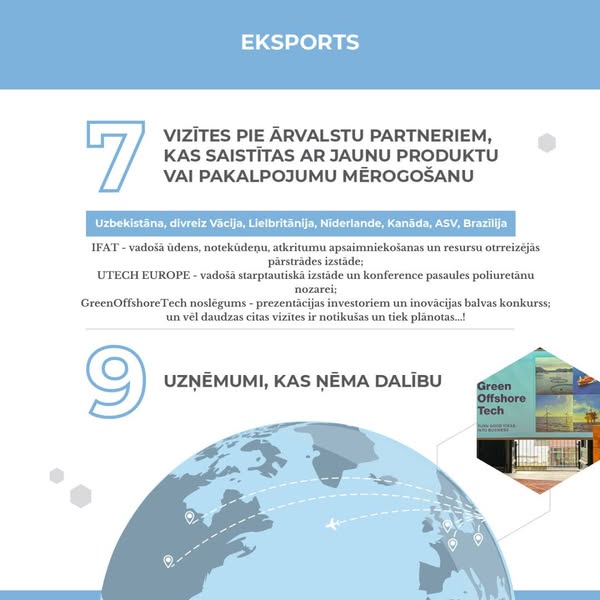
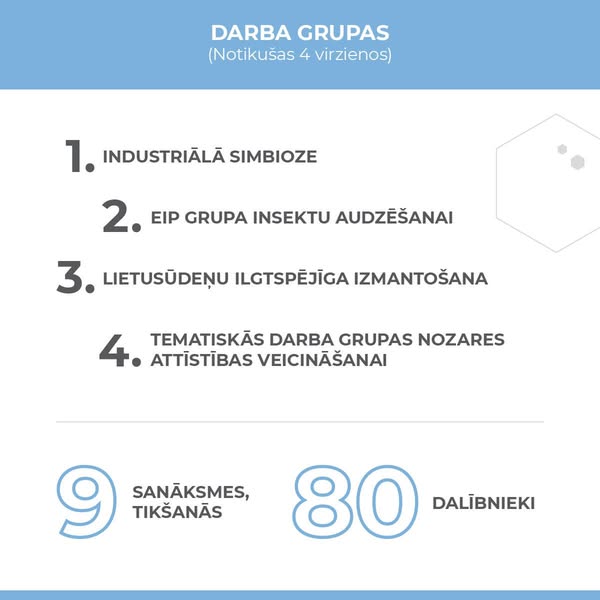
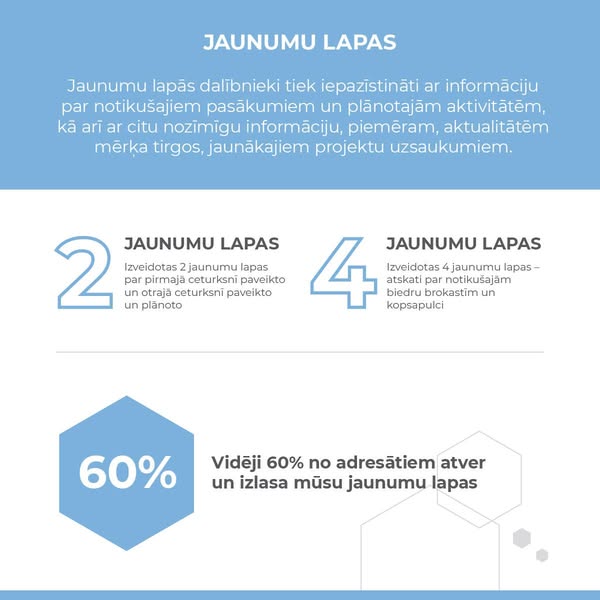
We invite you to take a look at the indicators achieved in the 1st and 2nd quarters of the project CLEANTECH LATVIA Cluster Growth 2024-2026.
This period can be described as quite active:
-Active involvement in working groups in 4 directions;
-7 Export visits to foreign partners to promote the development of new products;
-4 Member breakfasts;
-Publishing and sending out newsletters about the current project in the context.
We are very pleased with the interest of our members and active participation in the planned activities of the project. We will continue to inform you about the achievements of the next quarters until the end of the project.
The entry is co-financed by the Recovery Fund within the framework of project No. 5.1.1.2.i.0/3/24/A/CFLA/011 “CLEANTECH LATVIA Cluster Growth 2024-2026”.

The project was launched with the aim of improving the qualifications of engineers in the construction industry in Uzbekistan, implementing a certification system for engineers, and supporting small and medium-sized enterprises (SMEs) in new areas. This project has had a significant impact on the engineering industry in Uzbekistan, introducing a number of key aspects and benefits for the sector.